
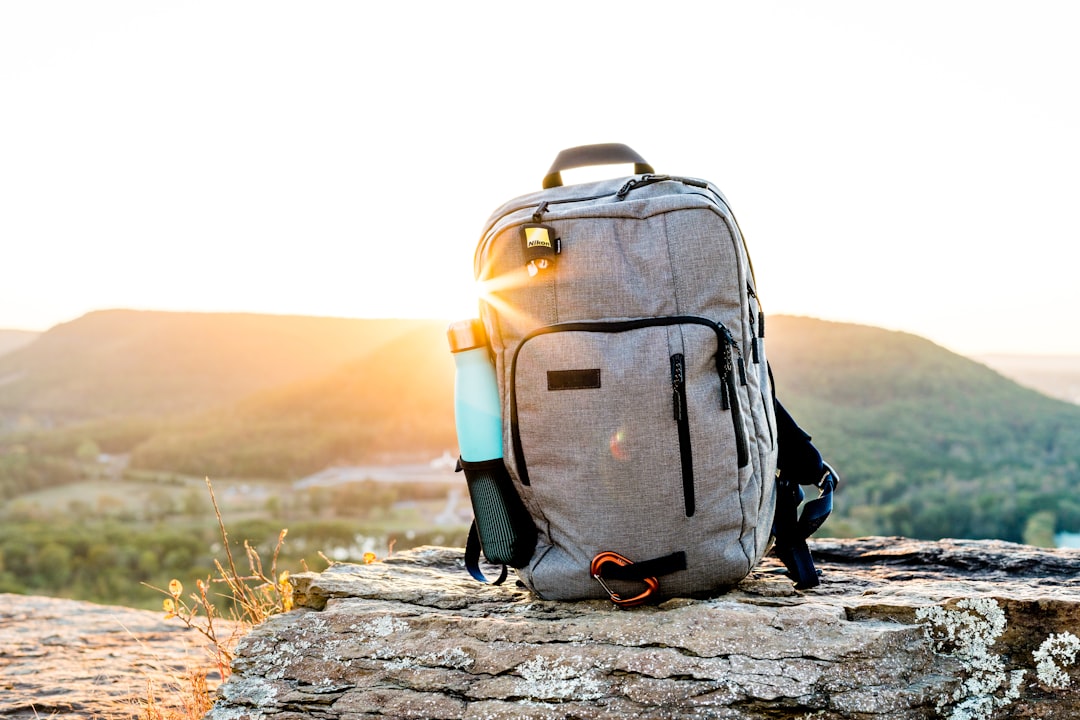
🧰 Tools & Gear You’ll Need
- A travel-specific backpack (35-45L recommended)
- Packing cubes (various sizes)
- Compression sacks (optional, for bulky items)
- Lightweight, quick-drying clothing (capsule wardrobe)
- Versatile footwear (limit to 2-3 pairs)
- Travel-sized toiletries and a compact toiletry bag
- Essential electronics and chargers
- Secure document holder and digital backups
- Reusable water bottle
- Small first-aid kit
- Universal sink stopper (optional but useful)
- Lightweight travel towel (quick-drying)
How to Travel Light with Only a Backpack in 2026: Embrace the One-Bag Lifestyle
In 2026, the art of travel is evolving. Gone are the days of lugging multiple suitcases through crowded airports and train stations. The true freedom of exploration lies in mastering the “one-bag” lifestyle, a minimalist approach that prioritizes experiences over possessions. This guide is your comprehensive, no-nonsense manual to achieving that freedom, empowering you to travel the world with nothing but a well-chosen backpack.
The Benefits of Traveling Light with a Backpack
Why ditch the baggage carousel for a single pack? The advantages are profound. Firstly, it’s about agility. Imagine breezing through security, easily navigating public transport, and effortlessly climbing stairs – all without the burden of heavy luggage. Secondly, it’s economical. Many budget airlines charge extra for checked bags, and a lighter load can mean less stress and fewer unexpected fees. Most importantly, traveling light fosters a more immersive experience. You become less of a spectacle and more of a local, more attuned to your surroundings when you’re not wrestling with your belongings.
Understanding the Minimalist Travel Mindset
Minimalist travel isn’t just about packing less; it’s a shift in perspective. It’s about recognizing that true value in travel comes from experiences, connections, and memories, not from the quantity of stuff you own. This mindset encourages you to question every item: “Do I truly *need* this?” It’s about intentionality, choosing versatile, multi-functional items, and understanding that most things you “might” need can often be purchased at your destination if absolutely necessary. It’s about embracing simplicity and finding joy in less.
What This 2026 Guide Will Cover
This guide is meticulously structured to equip you with every piece of knowledge required to become a one-bag travel expert. We’ll dissect the backpack selection process, demystify the capsule wardrobe, reveal smart packing techniques, and expose common pitfalls. By the end, you’ll not only know *how* to pack light but *why* it’s the superior way to travel, armed with battle-tested strategies and insider tips for 2026.

How to Travel Light with Only a Backpack in 2026: Selecting Your Perfect Backpack
Your backpack is your mobile home, your trusty steed. Choosing the right one is paramount. It’s not about the brand name; it’s about functionality, fit, and suitability for your travel style.
Backpack Capacity: Finding the Sweet Spot (35-45L)
For most travelers aiming for the one-bag lifestyle, a backpack in the 35 to 45-liter range is the sweet spot. This capacity is large enough to carry essentials for extended trips without being so big that you’re tempted to overpack. Smaller packs encourage discipline, while larger ones can become unwieldy. Think of it as a perfectly sized carry-on that forces you to be strategic about every cubic inch.
Front-Loading vs. Top-Loading Backpacks for Travel
The choice between front-loading and top-loading backpacks is crucial. Front-loading packs, often called “panel-loading,” open like a suitcase, allowing for easy access to all your gear without unpacking everything. This is generally preferred for travel. Top-loading packs, more common in hiking, require you to dig from the top, making organization and access more challenging for travel purposes. For ultimate convenience, opt for a front-loading travel backpack.
Essential Features for Comfort and Durability in 2026
Look for a backpack with a comfortable, adjustable harness system, including a padded hip belt to transfer weight from your shoulders to your hips – a game-changer for long treks. Padded shoulder straps are a must. Durable, water-resistant materials like ballistic nylon or high-denier polyester will protect your gear. Zipper quality is also key; YKK zippers are a reliable standard. Additional features like a lay-flat opening, multiple compartments, and external water bottle pockets enhance usability.
How to Travel Light with Only a Backpack in 2026: Curating a Versatile Capsule Wardrobe
The cornerstone of light travel is a thoughtfully curated capsule wardrobe. This isn’t about fashion sacrifice; it’s about smart, intentional dressing.
The Power of Neutral Colors for Maximum Outfit Combinations
Build your wardrobe around neutral colors: black, grey, navy, white, beige, and olive. These colors are inherently versatile and create a cohesive look. Any item in a neutral palette can be mixed and matched with almost any other, exponentially increasing your outfit possibilities from a limited number of pieces. Think of it as building a sophisticated Lego set for your wardrobe.

Fabric Focus: Quick-Drying, Wrinkle-Resistant, and Lightweight Materials
Material is king. Prioritize fabrics like merino wool (excellent temperature regulation, odor-resistant, and can be worn multiple times), synthetic blends (polyester, nylon) designed for quick-drying and wrinkle resistance, and Tencel/Lyocell for a soft, breathable feel. Avoid heavy cottons or linens that take ages to dry and crease easily. The goal is clothing that performs well, looks good after a day of wear, and dries overnight after a quick wash.
The “Wash and Wear” Philosophy for Extended Trips
Embrace the “wash and wear” philosophy. This means packing enough core items (like underwear, socks, and t-shirts) to last a few days, knowing you’ll wash them regularly. Most modern fabrics are designed to be hand-washed or machine-washed and then hung to dry overnight. This drastically cuts down on the volume of clothing needed, allowing you to pack for a week as if you were packing for a weekend.
How to Travel Light with Only a Backpack in 2026: Essential Clothing Items
Now, let’s get specific. What exactly should go into your backpack?
Your Core Outfit Formula: Tops, Bottoms, and Layers
Aim for a versatile formula. For a week-long trip, consider:
- Tops (3-5): A mix of t-shirts, a long-sleeve shirt, and perhaps a slightly dressier blouse or button-down. Ensure at least one is merino wool or a quick-dry synthetic.
- Bottoms (2-3): One pair of comfortable travel pants or jeans, one pair of versatile shorts or a skirt, and potentially a pair of leggings or hiking pants depending on your destination.
- Layers (1-2): A lightweight fleece or packable down jacket for warmth, and a waterproof/windproof shell jacket. A versatile cardigan or a button-down shirt can also serve as a light layer.
Footwear Strategy: Minimizing Shoes Without Sacrificing Style or Comfort
Shoes are bulky and heavy. Limit yourself to a maximum of three pairs, and ideally two. Your primary pair should be comfortable walking shoes or stylish sneakers that can handle a lot of mileage. Your second pair could be a more versatile sandal, a dressier flat, or a lightweight hiking boot, depending on your destination and activities. Wear your bulkiest pair on the plane.

Packing Sleepwear, Underwear, and Socks Efficiently
Pack enough underwear and socks for about 5-7 days. Again, choose quick-drying materials. For sleepwear, a lightweight t-shirt and shorts or leggings are sufficient; you might even sleep in your base layers in cooler climates. Roll socks and underwear together or place them in small packing cubes to keep them organized and separate from other items.
How to Travel Light with Only a Backpack in 2026: Streamlining Toiletries and Personal Care
Toiletries can quickly add unnecessary weight and bulk. The minimalist approach here is key.
The Art of Decanting: Travel-Sized Liquids and Multipurpose Products
Invest in a set of reusable, leak-proof travel-sized containers (3.4oz/100ml or less if flying carry-on only). Decant your favorite shampoo, conditioner, lotion, and face wash into these. Look for multi-purpose products: a tinted moisturizer with SPF, a solid shampoo bar that doubles as body soap, or a balm that can be used on lips and dry patches. Solid toiletries are your best friend – no leaks, no TSA liquid restrictions.
Building a Compact Toiletry Kit for Minimalists
Your toiletry bag should be small and efficient. Include only the absolute essentials: toothbrush, travel-sized toothpaste (or tabs), solid shampoo/conditioner, bar soap, a small deodorant, a minimal moisturizer, and any critical medications. A small comb or foldable brush is usually sufficient. Use a hanging toiletry bag to maximize space in small bathrooms.
Packing Makeup and Grooming Essentials: Less is More in 2026
For makeup, stick to multi-taskers: a tinted lip and cheek balm, a BB cream, and mascara. Ditch heavy foundations and multiple eyeshadow palettes. For grooming, consider a small nail file, tweezers, and perhaps a compact razor. Most hotels provide basic amenities like hair dryers.
How to Travel Light with Only a Backpack in 2026: Smart Packing for Tech, Documents, and Gear
Technology, documents, and essential gear need careful consideration to avoid unnecessary bulk.
Essential Electronics for the Modern Traveler
Your smartphone is your primary device for navigation, communication, and entertainment. A portable power bank is crucial for keeping your devices charged on the go. Depending on your needs, a lightweight e-reader or tablet might be worthwhile. Limit yourself to one charging brick with multiple USB ports, and bring only the essential cables. Consider a universal travel adapter if you’re going international.
Critical Documents and Secure Digital Backups
Keep your passport, ID, visas, and boarding passes in a secure, easily accessible place – a dedicated document holder or a travel wallet. Make physical photocopies of your important documents and store them separately from the originals. Crucially, take clear photos or scans of all important documents (passport, visa, driver’s license, credit cards) and store them securely in cloud storage (like Google Drive, Dropbox) and/or email them to yourself. This is your lifeline if originals are lost or stolen.
Small but Mighty: Useful Travel Accessories
Think small, high-impact items. A reusable water bottle saves money and reduces plastic waste. A lightweight, quick-drying travel towel is invaluable. A small first-aid kit with bandages, pain relievers, and antiseptic wipes can be a lifesaver. Consider a universal sink stopper for easy sink-washing of clothes.
How to Travel Light with Only a Backpack in 2026: Mastering Packing Techniques
How you pack is as important as what you pack. Efficient techniques maximize space and minimize wrinkles.
Rolling, Folding, or Cubing: Which Method Reigns Supreme?
The rolling method is generally Best for soft items like t-shirts, pants, and underwear. It compresses items and reduces wrinkles. For stiffer items like button-down shirts or blazers, a careful fold might be better. However, the most effective method often involves a combination, especially when using packing cubes.

Leveraging Packing Cubes and Compression Sacks
Packing cubes are revolutionary. They compartmentalize your clothing, making it easier to find items and keeping your backpack organized. Use different sizes for different clothing types (e.g., one for tops, one for bottoms, one for underwear/socks). Compression sacks can be useful for bulky items like sweaters or jackets, but use them sparingly as they can sometimes lead to overpacking.
Organize with Packing Cubes
Group similar items together (e.g., all shirts in one cube, all bottoms in another). Roll or fold items neatly before placing them in the cubes.
Fill the Gaps
Use smaller items like socks and underwear to fill any empty spaces within the packing cubes or the backpack itself.
Strategic Placement
Place heavier items closer to your back and near the bottom of the backpack for better weight distribution.
Strategic Weight Distribution for Balanced Carrying
The way you pack directly impacts how your backpack feels. Place heavier items (like shoes or electronics) at the bottom and close to your back. Middle layers should contain your clothing, organized in packing cubes. Lighter, frequently needed items (like a rain jacket or snacks) should be at the top or in easily accessible external pockets.
How to Travel Light with Only a Backpack in 2026: Avoiding Common Packing Pitfalls
Even seasoned travelers fall into packing traps. Beware of these common mistakes.
The “Just in Case” Trap: Identifying and Eliminating Unnecessary Items
“What if I need it?” This is the mantra of the overpacker. Unless you are heading to a remote research station or a specific expedition requiring specialized gear, you likely don’t “need” it. Most destinations have shops where you can buy almost anything. Ask yourself: have I used this specific item on previous trips? If the answer is no, leave it behind. Be ruthless.
The Shoe and Outfit Overload: Why Less is Truly More
Shoes are often the biggest offenders for bulk and weight. Resist the urge to pack “just in case” shoes for every hypothetical scenario. Similarly, packing too many outfits leads to a larger backpack and more to manage. Remember the capsule wardrobe principle: versatile pieces that can be mixed and matched create more outfits than twice the number of single-use items.
Navigating Souvenirs and Avoiding Duplicate Gear
Souvenirs can derail your light packing efforts. Plan to either buy small, packable items or ship larger purchases home. If you’re constantly buying new gear at your destination, question why you didn’t pack it initially. Stick to your essentials and only add destination-specific needs if absolutely necessary and planned for.
How to Travel Light with Only a Backpack in 2026: Sample Minimalist Packing Lists
Here are sample lists to get you started. Adapt them to your specific trip type and destination.
A Sample Packing List for Short City Breaks (3-5 Days)
- 1 Travel Backpack (30-40L)
- 2-3 T-shirts/Tops (quick-dry/merino)
- 1 Long-sleeve shirt
- 1 Pair of versatile pants/jeans
- 1 Pair of shorts/skirt (optional)
- 1 Lightweight jacket (e.g., packable down or shell)
- 1 Pair comfortable walking shoes (wear on plane)
- 1 Pair sandals/flats (optional)
- 5-7 Pairs underwear & socks
- 1 Set sleepwear
- Travel-sized toiletries (solid options preferred)
- Phone, power bank, charger
- Passport/ID, essential cards
A Sample Packing List for Longer Adventures with Laundry Access (1-2 Weeks)
- 1 Travel Backpack (40-45L)
- 3-4 T-shirts/Tops (quick-dry/merino)
- 1-2 Long-sleeve shirts
- 2 Pairs versatile pants/shorts
- 1 Mid-layer (fleece or sweater)
- 1 Waterproof/windproof shell jacket
- 1 Pair comfortable walking shoes (wear on plane)
- 1 Pair sandals/versatile shoes (optional)
- 7-10 Pairs underwear & socks
- 1 Set sleepwear
- Travel-sized toiletries (solid options preferred)
- Phone, power bank, essential cables, universal adapter
- Passport/ID, essential cards, copies & digital backups
- Small first-aid kit
- Quick-dry travel towel
- Reusable water bottle
Your Pre-Trip Backpack Readiness Checklist
- Backpack fits comfortably when fully packed.
- All clothing items are versatile and mix-and-match.
- Toiletries are travel-sized or solid.
- Electronics are essential, chargers consolidated.
- Documents are secure, with backups.
- Weight is balanced and manageable.
- You’ve removed anything non-essential.
How to Travel Light with Only a Backpack in 2026: Final Checks and Departure
The final steps are critical to ensure a smooth departure and a comfortable journey.
The Day Before: Final Packing Review
Lay everything out one last time. Mentally (or physically) walk through the outfits you plan to wear and the activities you have planned. Ensure you haven’t forgotten anything crucial and, more importantly, that you haven’t added anything unnecessary in a last-minute panic. Double-check your documents and finances.
The Importance of a Wear Test
If possible, wear your fully packed backpack for a short walk around your neighborhood or even just up and down your stairs. This “wear test” helps you identify any discomfort points in the harness, straps, or weight distribution before you’re miles from home. Adjustments made now are far easier than on the road.
Last-Minute Adjustments for a Perfect Pack
Fine-tune your packing. Ensure all liquids are securely sealed. Compress any air out of clothing to save space. Make sure your most important items (passport, phone, wallet) are in an easily accessible, secure pocket. Zip everything up, and prepare to experience the unparalleled freedom of traveling light.