
Europe, a continent steeped in history and diverse cultures, offers an unparalleled wealth of destinations that captivate the eye and stir the soul. For the discerning traveler in 2026, the pursuit of aesthetic perfection leads us to cities and landscapes that blend timeless beauty with unique artistic expression. This guide delves into the most visually stunning locales, from iconic landmarks to hidden gems, curated for those who seek beauty in every travel experience. We’ve meticulously evaluated destinations based on their architectural grandeur, natural panoramas, artistic heritage, and overall visual impact, ensuring a journey that is as aesthetically rewarding as it is memorable.

Top Aesthetic Picks for 2026: A Curated Selection
Our selection focuses on destinations that consistently deliver a high level of aesthetic appeal, characterized by their distinctive visual narratives and immersive beauty. These are places where every corner turned reveals a postcard-worthy scene, offering a feast for the eyes and inspiration for any traveler.
Paris, France: The Epitome of Romantic Aesthetics
Paris, the “City of Light,” remains an enduring icon of romantic and classic aesthetics. Its Haussmannian architecture, characterized by elegant, cream-colored stone buildings with mansard roofs, defines its boulevards. The Eiffel Tower, a feat of engineering and a symbol of Parisian charm, offers breathtaking panoramic views. Strolling along the Seine, exploring the Louvre’s artistic treasures, or getting lost in the charming streets of Montmartre—each experience is steeped in a visual richness that is quintessentially Parisian. The city’s numerous gardens, like the Luxembourg Gardens, provide tranquil escapes with meticulously manicured landscapes, further enhancing its aesthetic allure.
Eiffel Tower Experience
⚖️ Weight: 10,100 tonnes
📅 Built: 1889
👍 Pros
- Iconic symbol of Paris, offering unparalleled city views.
- Impressive engineering and architectural marvel.
- Multiple levels provide varied perspectives and experiences.
👎 Cons
- Can be extremely crowded, especially during peak seasons.
- Long queues for tickets and ascent can be time-consuming.
- Ticket prices can be relatively high for peak access.
The Eiffel Tower’s construction utilized over 18,000 individual wrought iron parts and 2.5 million rivets. Its design was controversial at the time of construction but has since become one of the world’s most recognizable structures. Access is managed through a ticketing system that includes stairs and elevator options, with varying prices for different levels.
Ascending the Eiffel Tower is a quintessential Parisian experience. The structure itself is a testament to 19th-century industrial design, offering a starkly beautiful contrast to the classical architecture surrounding it. From its upper platforms, the city unfolds in a breathtaking panorama. The Champ de Mars stretches below, while the Seine River snakes through the urban landscape, dotted with iconic bridges. Photographers will find endless compositions, from capturing the intricate lattice work up close to framing the entire tower against the Parisian skyline. However, the sheer volume of visitors necessitates pre-booking tickets, often weeks in advance, to avoid substantial wait times. The experience is undeniably spectacular, providing a unique vantage point that solidifies Paris’s claim as a top aesthetic destination.
Florence, Italy: Renaissance Artistry and Timeless Beauty
Florence is the cradle of the Renaissance, a city where art and architecture are not mere attractions but the very fabric of its existence. The Duomo, with Brunelleschi’s dome, dominates the skyline, a masterpiece of engineering and design. Walking across the Ponte Vecchio, lined with shops, or exploring the Uffizi Gallery and the Accademia Gallery to stand before Michelangelo’s David, transports visitors to an era of unparalleled artistic achievement. The Arno River and the city’s numerous piazzas, like Piazza della Signoria, offer spaces for reflection amidst stunning sculptures and historic buildings. The aesthetic here is one of profound beauty, intellectual depth, and enduring legacy.

Uffizi Gallery Timed Entry Ticket
🏛️ Key Periods: Renaissance, Baroque
⏰ Typical Visit Duration: 3-4 hours
👍 Pros
- Home to masterpieces by Botticelli, Leonardo da Vinci, Michelangelo.
- Provides deep insight into the Italian Renaissance.
- Timed entry helps manage crowd flow and waiting times.
👎 Cons
- Can still be very crowded even with timed entry.
- Vast collection may be overwhelming for a short visit.
- Requires advance booking, often selling out quickly.
The Uffizi Gallery houses one of the world’s most important collections of Renaissance art. Established by the Medici family, it contains seminal works such as Botticelli’s “The Birth of Venus” and “Primavera,” and Leonardo da Vinci’s “Annunciation.” Timed entry tickets are essential for managing visitor numbers and ensuring a more manageable experience, though popular times still experience significant foot traffic.
A visit to the Uffizi Gallery is a deep dive into the artistic heart of Florence. The sheer concentration of iconic Renaissance paintings is astonishing. Wandering through halls adorned with works by masters like Raphael, Titian, and Caravaggio offers a profound connection to art history. The gallery’s layout guides visitors through distinct periods, allowing for an appreciation of evolving styles and techniques. While the crowds can be substantial, the experience of standing before these world-renowned masterpieces is transformative. The detailed brushwork, the dramatic use of light and shadow, and the emotional depth of the subjects create an immersive aesthetic experience that few other institutions can match. It’s a vital stop for understanding the visual language that shaped Western art.
Santorini, Greece: Iconic Whitewashed Villages and Azure Seas
Santorini presents a striking visual dichotomy: stark white villages clinging to volcanic cliffs that plunge into the deep blue Aegean Sea. The villages of Oia and Fira are renowned for their cubist architecture, blue-domed churches, and narrow, winding pathways. The sunsets here are legendary, casting a warm, golden glow over the caldera and creating unforgettable, almost surreal, vistas. The contrast between the white buildings, the vibrant blue of the sea and sky, and the rugged volcanic landscape is intensely photogenic and universally appealing. It’s a destination that defines Mediterranean aesthetic perfection.

Santorini Caldera Sunset Cruise
🚢 Vessel Type: Catamaran / Traditional Boat
🌅 Highlights: Oia Sunset, Volcanic Hot Springs
👍 Pros
- Spectacular sunset views from the water.
- Unique perspective of the caldera cliffs and villages.
- Opportunity to swim in volcanic hot springs.
👎 Cons
- Can be very crowded on popular boats.
- Hot springs can be crowded and water staining is possible.
- Weather dependent; cancellations can occur.
Santorini’s caldera, a submerged volcanic crater, offers dramatic cliffs and unique geological features. Sunset cruises typically depart from local ports and navigate the caldera, often including stops at the volcanic hot springs near Nea Kameni island. The climax of the cruise is watching the sunset, particularly from the viewpoint near Oia, renowned for its beauty. Many tours offer onboard meals and drinks. Crowd levels can significantly impact the experience, especially during peak season.
Experiencing Santorini from the water, especially during a sunset cruise, offers a different dimension to its famed beauty. Gliding across the Aegean, the sheer scale of the volcanic caldera becomes apparent, with the whitewashed villages perched precariously on the cliffs creating a dramatic silhouette against the sky. The volcanic hot springs provide a unique, albeit sometimes murky, swimming experience. As the sun begins its descent, the sky transforms into a canvas of fiery oranges, pinks, and purples, reflecting off the tranquil sea. Viewing the sunset from the water, away from the crowded land viewpoints, can be a more serene and visually encompassing experience. This perspective highlights the island’s raw geological power alongside its cultivated beauty, making it an essential aesthetic pursuit.
Prague, Czech Republic: Fairytale Architecture and Gothic Charm
Prague feels like stepping into a medieval fairytale. Its Old Town Square, with the Astronomical Clock and the Church of Our Lady before Týn, is a spectacle of Gothic and Baroque architecture. The Charles Bridge, adorned with statues of saints, offers stunning views of Prague Castle, a vast complex overlooking the Vltava River. The city’s red rooftops, cobblestone lanes, and spires create a cohesive, enchanting atmosphere. Prague’s aesthetic is one of historical depth, intricate detail, and a slightly mysterious, romantic charm that has captivated artists and travelers for centuries.
Amsterdam, Netherlands: Picturesque Canals and Artistic Heritage
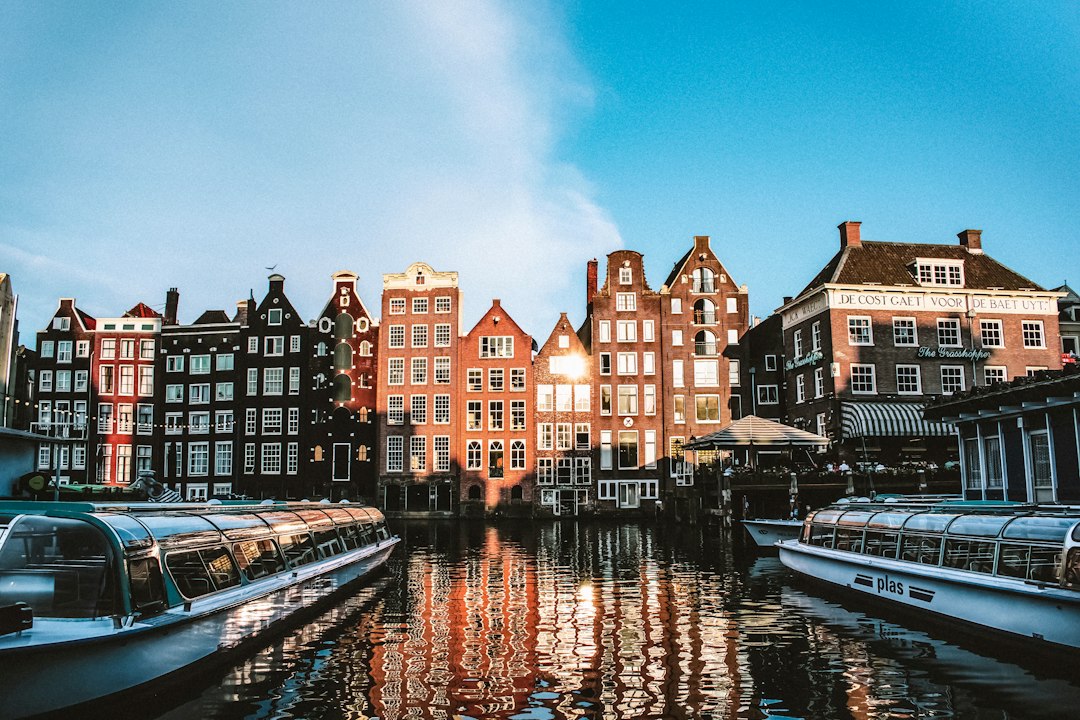
Amsterdam is defined by its network of picturesque canals, lined with narrow, gabled houses that lean charmingly inwards. The canal ring, a UNESCO World Heritage site, is the city’s lifeblood, offering beautiful vistas from its bridges and waters. Beyond the canals, the city boasts world-class museums like the Rijksmuseum and the Van Gogh Museum, housing treasures that speak to its rich artistic heritage. The aesthetic is one of elegant functionality, historical preservation, and a vibrant, yet laid-back, atmosphere. Cycling along the canals or admiring the unique architecture provides a constant visual delight.

Beyond the Obvious: Underrated Aesthetic Gems of 2026
While the grand capitals draw undeniable attention, Europe is replete with lesser-known locales offering unique and profound aesthetic experiences. These destinations provide a more intimate encounter with beauty, often characterized by distinct regional charm and architectural styles.
Colmar, France: Enchanting Half-Timbered Houses
Nestled in the Alsace region, Colmar is often called “Little Venice” due to its picturesque canals. Its defining feature is the exceptionally well-preserved Old Town, a delightful maze of colorful, half-timbered houses dating back to the Middle Ages. The vibrant hues of the buildings, the flower-laden window boxes, and the serene canals create an almost impossibly charming and photogenic scene. It’s a destination that exudes a storybook quality, offering a visual escape into a European idyll.
Bruges, Belgium: Medieval Canals and Cobblestone Streets
Bruges, another canal-laced city, transports visitors back to a prosperous medieval era. Its historic center is a UNESCO World Heritage site, characterized by its intact Gothic architecture, cobblestone streets, and serene waterways. The Belfry of Bruges offers panoramic views of the red-tiled rooftops and winding canals. The city’s aesthetic is one of preserved history, quiet elegance, and a romantic, slightly melancholic beauty that is profoundly appealing.
Belfry of Bruges Tower Climb
🏛️ Height: 83 meters
🎶 Features: Carillon with 47 bells
👍 Pros
- Offers a 360-degree panoramic view of Bruges.
- Historical significance as a medieval watchtower.
- Experiencing the carillon concert can be a unique auditory element.
👎 Cons
- Narrow, winding staircase can be challenging.
- Steep climb, not suitable for those with mobility issues.
- Can be crowded, leading to slow ascents/descents.
The Belfry of Bruges is a medieval bell tower that once served as a watchtower and treasury. Climbing its 366 steps leads to the belfry chamber and then the summit. The tower houses a carillon, whose bells play on certain schedules. The climb is physically demanding due to the narrowness and steepness of the stairs. Views from the top encompass the historic city center, canals, and surrounding Flemish landscape.
Ascending the Belfry of Bruges is a quintessential part of experiencing the city’s medieval heart. The climb itself, up the tight, spiraling staircase, feels like a journey back in time. Each step reveals the solid construction and immense scale of this historic edifice. Upon reaching the summit, the reward is a breathtaking, unobstructed panorama of Bruges. The sea of red-tiled rooftops, the winding canals reflecting the sky, and the charming cobblestone squares spread out below create an unforgettable visual. It’s a perspective that truly emphasizes Bruges’s status as a remarkably preserved medieval city. The distant chime of the carillon bells adds an auditory layer to the visual splendor, enhancing the immersive historical atmosphere.
Hallstatt, Austria: Alpine Serenity and Lakeside Views
Set against the backdrop of the Austrian Alps, Hallstatt is a picture-perfect village nestled between a serene lake and dramatic mountains. Its charming houses, traditional architecture, and tranquil lakeside setting make it incredibly picturesque. The reflection of the village and surrounding peaks in the calm waters of Hallstätter See is a classic, iconic view. It offers a serene, natural aesthetic, blending human settlement harmoniously with a breathtaking natural landscape.
Lisbon, Portugal: Vibrant Tiles and Coastal Panoramas
Lisbon’s aesthetic is defined by its colorful Azulejo tiles that adorn buildings throughout the city, its historic trams rattling up steep hills, and its stunning viewpoints (miradouros) offering sweeping vistas of the Tagus River and the cityscape. The Alfama district, with its narrow, winding streets, and the Belém Tower, a Manueline architectural gem, showcase a unique blend of maritime history and Moorish influences. The city’s light, coupled with its vibrant colors and dramatic topography, creates a distinct and captivating visual identity.
How We Determined the Most Aesthetic European Destinations for 2026
Identifying the “most aesthetic” destinations involves a rigorous evaluation process that goes beyond superficial beauty. Our methodology prioritizes a holistic assessment of visual appeal, cultural significance, and photographic potential, ensuring that our recommendations are both stunning and meaningful.
Aesthetic Appeal Criteria: Beyond Just Beauty
We define aesthetic appeal not just by conventional beauty, but by a destination’s ability to evoke emotion, inspire creativity, and offer a unique visual narrative. This includes the harmony of its architecture, the quality of its natural landscapes, the vibrancy of its colors, and the overall atmosphere it projects. Destinations were assessed on their ability to create a memorable and visually rich experience for the traveler.
Visual Impact & Photogenic Qualities
A key factor is how well a destination translates into compelling imagery. We considered the presence of iconic landmarks, unique architectural styles, dramatic natural formations, and vibrant street scenes that offer ample opportunities for photography. The “Instagrammability” or “postcard-worthiness” of a location, while subjective, was evaluated based on its universally recognized visual appeal and distinctiveness.
Unique Cultural & Architectural Significance
The most profound aesthetics often arise from a deep connection to history, culture, and distinctive architectural traditions. We looked for destinations where the built environment and natural setting reflect a rich heritage, showcasing unique styles, historical layers, and cultural expressions. This significance adds depth to the visual experience, transforming a beautiful place into a meaningful one.
Planning Your Aesthetic European Escape in 2026
To maximize the visual splendor of your European journey, careful planning is essential. Timing your visit, understanding the best ways to capture the essence of each location, and choosing accommodation that complements the aesthetic are crucial elements for an immersive experience.
Best Times to Visit for Optimal Aesthetics
The ideal time to visit often depends on the specific destination, but generally, the shoulder seasons (spring: April-May, and autumn: September-October) offer a balance of pleasant weather, fewer crowds, and beautiful natural light. Spring brings blooming flowers to cities like Paris and Amsterdam, while autumn offers rich colors in regions like Austria and the Czech Republic. Summer (June-August) provides the warmest weather and longest days, ideal for island destinations like Santorini, though it comes with peak crowds. Winter can offer a unique, serene beauty, especially in cities like Prague, with potential for festive decorations, but daylight hours are shorter.
Capturing the Essence: Photography Tips for Each Destination
Each destination offers unique photographic opportunities. In Paris, utilize the golden hour for soft light on the Eiffel Tower and Haussmannian buildings. In Florence, focus on architectural details and the Arno River at dawn or dusk. Santorini is all about capturing the white-washed buildings against the blue sea, especially during the blue hour and sunset. For Prague, seek out the fairytale charm of the Old Town and Charles Bridge in the early morning mist or late evening. Amsterdam’s canals are best photographed during the day from bridges, or at night when illuminated. Underrated gems like Colmar and Bruges benefit from capturing their half-timbered houses and canals with vibrant flowers or autumnal foliage. Hallstatt’s reflection shots are best on calm mornings, while Lisbon’s tiled facades and miradouros require bright, clear daylight.
Accommodation Styles to Complement the Aesthetic
Choosing accommodation that aligns with the destination’s aesthetic can significantly enhance the experience. Consider boutique hotels in historic buildings in Paris or Florence, charming guesthouses with caldera views in Santorini, or apartments overlooking canals in Amsterdam. In fairytale towns like Prague, Colmar, or Bruges, a room in a traditional, historic building is ideal. For Hallstatt, a lakeside room offers serene views. In Lisbon, staying in a neighborhood known for its tiled architecture can immerse you further in the city’s visual character.
FAQ: Your Aesthetic Travel Questions Answered for 2026
Q1: Which European city offers the best blend of historical architecture and natural beauty for photography?
A: Prague offers a stunning combination of fairytale Gothic and Baroque architecture with the Vltava River and surrounding hills providing a beautiful natural backdrop, making it exceptionally photogenic.
Q2: Are there any less crowded aesthetic destinations in Europe worth visiting in 2026?
A: Yes, cities like Colmar in France and Bruges in Belgium offer immense aesthetic charm with fewer crowds than the major capitals, especially outside of peak summer months. Hallstatt in Austria is also a serene, visually stunning option.
Q3: What is the best way to experience the aesthetics of Santorini without the overwhelming crowds?
A: Consider visiting during the shoulder seasons (spring or autumn) or staying in less-visited villages like Imerovigli or Pyrgos. Opting for a sunset cruise can also offer a unique perspective away from the main viewpoints.
Q4: How can I capture the unique tile artistry of Lisbon effectively?
A: Seek out buildings in the Alfama and Bairro Alto districts, and look for Azulejo-covered churches and public spaces. Visit the National Azulejo Museum for a deeper dive. Early morning or late afternoon light often enhances the colors and textures of the tiles.
Q5: Which destinations are Best for experiencing distinct seasonal aesthetic changes?
A: Cities like Paris and Prague show dramatic changes, with spring blossoms and autumn colors enhancing their beauty. Winter in these cities can offer a magical, snow-dusted aesthetic. The Greek islands like Santorini are best enjoyed in the warmer months, while Alpine regions like Hallstatt are stunning year-round, with different appeals in summer and winter.