
🧰 Tools & Gear You’ll Need
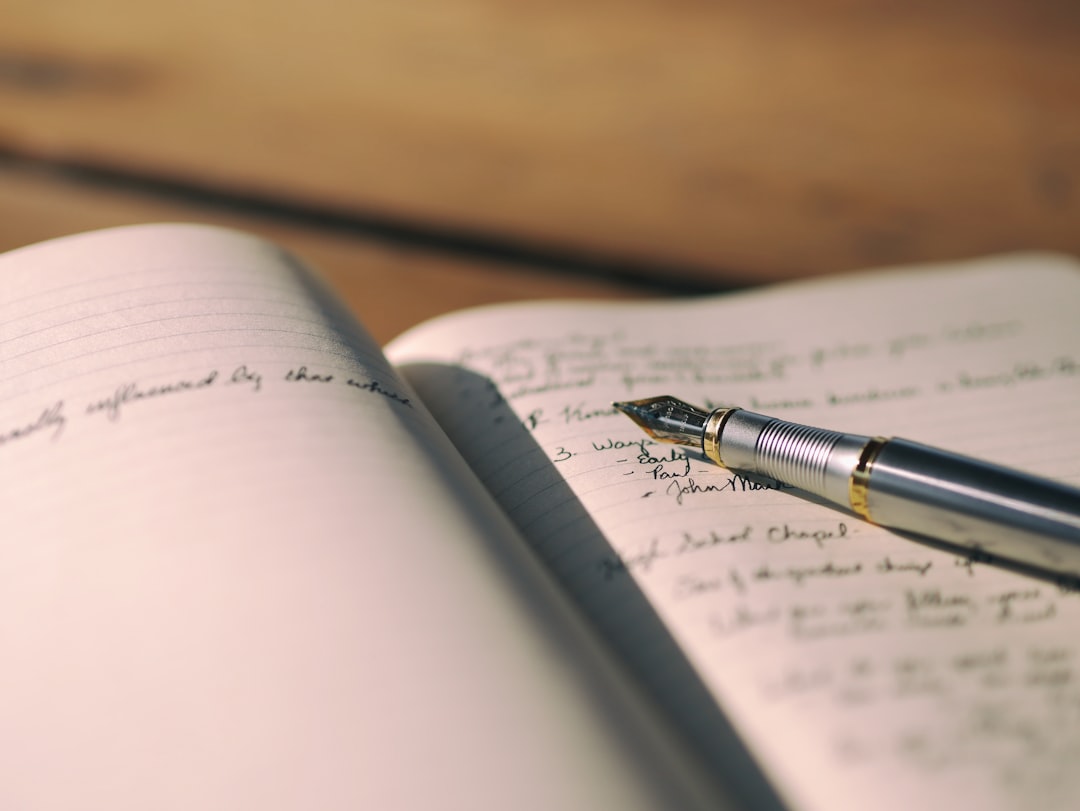
- A high-quality notebook or a trusted digital journaling app
- Your favorite pen or stylus
- Optional: Colored pens, markers, washi tape, scissors, glue stick, fashion magazines for collage
- A quiet space and a few minutes of dedicated time
- An open mind and a willingness to explore
How to Start a Journaling Habit in 2026
Understand the ‘Why’
Before diving in, grasp why journaling is crucial for anyone in the fashion world. It’s not just about pretty notes; it’s a strategic tool for growth.
Define Your Purpose
What do you want to achieve? Ideas, reflection, career growth? Pinpointing your ‘why’ will shape your journaling practice.
Choose Your Medium
Physical or digital? Select a format that best suits your lifestyle and workflow. There’s no one-size-fits-all answer.
Establish a Routine
Consistency is key. Link journaling to an existing habit, start small, and prioritize showing up, even for just a few minutes.
Overcome the Blank Page
Writer’s block is real. Use prompts, start with simple observations, and don’t be afraid to get creative.
Enhance Your Experience
Make journaling visually stimulating and personally meaningful. Incorporate sketches, colors, and your unique fashion flair.
Integrate It Seamlessly
Weave journaling into your daily fashion life – before planning outfits, after events, or during commutes.
Track and Reflect
Monitor your progress, review past entries, and learn from your patterns to stay motivated and gain deeper insights.
Avoid Pitfalls
Be aware of common mistakes, like perfectionism or comparison, and learn how to navigate them.
Tailor to Your Role
Customize your journaling practice based on your specific fashion career or aspirations.
Leverage the Right Tools
Discover recommended journals, apps, and systems that can support your habit.
Embrace Evolution
Your journaling habit will change over time. Stay flexible, focus on growth, and make it an integral part of your creative identity.
Why Journaling Matters for Fashion Professionals and Creatives
In the fast-paced, trend-driven world of fashion, a solid journaling habit isn’t a luxury; it’s a strategic imperative. It serves as your personal archive, think tank, and sanity check. For creatives, it’s where fleeting inspirations are captured before they vanish, where complex concepts are untangled, and where the seeds of future collections are sown. For professionals, it’s a tool for tracking industry shifts, refining your personal brand, and navigating career challenges. Without it, you risk losing valuable insights, stifling creativity, and missing opportunities for growth. This isn’t about keeping a diary; it’s about cultivating a competitive edge through mindful practice.
Key Elements of a Lasting Journaling Habit in 2026
Building a habit that sticks requires more than just a nice notebook. In 2026, with constant digital noise, intentionality is paramount. A lasting habit is built on clarity of purpose, sustainable routines, and a practice that genuinely serves you. It’s about creating a personal system that complements, rather than complicates, your life. This means choosing tools that feel natural, setting realistic goals, and understanding that perfection is the enemy of progress. The goal is consistent engagement, not flawless execution.
Unique Approaches for the Fashion Industry
The fashion industry thrives on visual language, trends, and personal expression. Your journaling should reflect this. Beyond just writing, think about incorporating sketches of silhouettes, color palettes from a runway show, fabric swatches, or even tear-outs from magazines. Consider mood boards within your journal, visual timelines of trend evolution, or detailed notes on the craftsmanship of a garment. This visual-tactile approach not only makes journaling more engaging but also deeply connects it to the core of your creative and professional work in fashion.

Define Your Journaling Purpose
Before you put pen to paper, or stylus to screen, ask yourself: what do I want my journal to do for me? Your purpose will guide every other decision, from the format you choose to the prompts you use. Be specific; vague goals lead to vague results.
Journaling for Style Ideas and Outfit Inspiration
This is about capturing the sparks that ignite your personal style or client looks. Jot down observations from street style, interesting color combinations you see, or even dreams that feature unique outfits. Document what resonates with you, why it resonates, and how you might adapt it. This serves as a visual and conceptual library for your sartorial choices.
Journaling for Creative Direction and Brand Concepts
For designers, brand managers, or content creators, this is your ideation hub. Map out themes, brainstorm collection narratives, research historical influences, or analyze competitor strategies. Document your thought process, sketch initial designs, and articulate the essence of a brand or campaign. This is where abstract ideas begin to take concrete shape.
Journaling for Self-Reflection and Well-being
The fashion industry can be demanding. Use your journal to process experiences, manage stress, and understand your emotional landscape. Reflect on feedback, challenge negative self-talk, and celebrate small wins. This practice cultivates self-awareness, emotional intelligence, and a stronger sense of self, which are vital for long-term success and personal fulfillment.
Journaling for Fashion Career Advancement
Treat your journal as a strategic career document. Track your accomplishments, identify skill gaps, set professional goals, and document networking opportunities. Analyze industry trends, research companies, and practice articulating your value proposition. This proactive approach can significantly shape your career trajectory.
Select Your Ideal Journaling Format
The tool you choose should empower your practice, not hinder it. Consider your workflow, preferences, and the specific demands of your fashion role.
Physical Journals vs. Digital Tools
Physical journals offer a tactile, distraction-free experience, ideal for deep thought, sketching, and collage. The physical act of writing can enhance memory and reflection. However, they can be bulky and harder to search. Digital tools (apps, notes, dedicated journaling platforms) offer portability, searchability, multimedia integration (photos, voice notes), and easy sharing. The challenge is avoiding digital distractions and the temptation to multitask.

Choosing the Right Medium (Notebook, Planner, App)
- Notebooks: Best for freeform writing, sketching, and creative exploration. Look for dot-grid or blank pages for maximum flexibility.
- Planners: Ideal if your journaling needs are tightly integrated with scheduling, goal-setting, and daily task management. Many offer prompts or dedicated sections.
- Digital Apps: Offer versatility. Consider apps like Evernote, Notion, Bear, or dedicated journaling apps like Day One or Penzu for features ranging from simple text to multimedia rich entries.
Best Formats for Fashion Students and Creatives
Visuals are key. Opt for larger notebooks with ample space for sketches, mood boards, and fabric swatches. Consider spiral-bound notebooks that lay flat, or even a binder system where you can add and rearrange pages. Digital apps that support image embedding and freeform layouts (like Pinterest boards integrated into Notion or Evernote) are also excellent.
Best Formats for Busy Fashion Professionals in 2026
Efficiency and accessibility are crucial. A sleek digital app on your phone or tablet allows for quick entries during commutes or brief breaks. Alternatively, a high-quality, compact physical notebook paired with a good pen can be a sophisticated, low-distraction option. Look for formats that facilitate quick capture and easy retrieval of information.
Establish a Sustainable Journaling Routine
Consistency trumps intensity. Building a habit isn’t about heroic, hour-long sessions; it’s about reliable, smaller engagements.
Finding the Optimal Time to Journal
Experiment to find what works. Morning journaling can set intentions and clear your mind for the day. Evening journaling can help process events and wind down. During breaks or commutes can capture fleeting thoughts. The key is to find a time when you are least likely to be interrupted and most receptive to reflection.
Linking Journaling to Existing Habits
Habit stacking is your best friend. Pair journaling with something you already do automatically. Examples: “After I brush my teeth, I will journal for 5 minutes,” or “While my coffee brews, I will write one sentence in my journal.” This leverages existing neural pathways.

Starting with Short, Achievable Sessions
Commit to just 5-10 minutes a day. Write a few sentences, jot down 3 bullet points, or sketch a quick idea. Small, consistent wins build momentum and make the habit feel less daunting. Gradually increase the time as it becomes natural.
Prioritizing Consistency Over Perfection
Missed a day? Don’t spiral. Just pick up where you left off. It’s far better to journal imperfectly every day than perfectly once a month. This habit is about progress, not flawlessness. Let go of the need for beautifully written, profound entries every single time.
Overcome Writer’s Block: What to Write
The blank page can be intimidating. Use prompts to kickstart your thoughts and discover new avenues for reflection.
Simple Journaling Prompts for Beginners
- What was the most interesting thing I saw today?
- What am I grateful for right now?
- Describe your current mood using only colors.
- What small win did I have today?
- What is one thing I learned recently?
Fashion-Specific Journaling Prompts
- Which look from a recent runway show is stuck in my head, and why?
- Describe a texture or fabric that you find particularly inspiring right now.
- If I could design one piece of clothing for myself today, what would it be?
- Analyze the color palette of a favorite brand. What feeling does it evoke?
- What trend do you predict will fade quickly, and which do you think has staying power?
Prompts for Creativity, Confidence, and Style Identity
- What outfit makes me feel most confident, and what elements contribute to that?
- Describe a style icon whose aesthetic you admire. What specific aspects appeal to you?
- If my personal style were a song, what would it be and why?
- What creative risks am I willing to take this week?
- How can I inject more of my personality into my professional presentation?
Prompts for Post-Work or Event Reflection
- What was the most impactful moment from today’s meeting/event?
- What did I observe about the attendees’ style or the event’s aesthetic?
- What key takeaway could I apply to my next project or client interaction?
- Did anything surprise me today? How did I react?
- What was the biggest challenge I faced, and how did I navigate it?
Enhance Your Journaling Experience
Make your journal a dynamic, engaging space that reflects the visual and creative nature of the fashion industry.
Incorporating Sketches, Mood Boards, and Visuals
Don’t limit yourself to text. Dedicate pages to quick sketches of garments, accessories, or styling ideas. Create mini mood boards by pasting in images from magazines, fabric swatches, or printouts. This visual element makes your journal a rich source of inspiration and a more accurate representation of your thought process.

Utilizing Color-Coding for Ideas and Goals
Assign specific colors to different themes or categories. For example, use blue for client work, green for personal style ideas, red for career goals, and yellow for self-reflection. This allows you to quickly scan your journal and identify patterns or track progress across different areas of your life.
Exploring Collage Journaling for Fashion Inspiration
Collage is a powerful tool in fashion. Cut out images, textures, and words from magazines, newspapers, or even printouts. Arrange and paste them into your journal to create visual narratives, explore themes, or simply capture a mood or aesthetic. This is a highly tactile and intuitive way to journal.
Personalizing Your Journal for Motivation
Make your journal uniquely yours. Use decorative washi tape, stickers, or hand-drawn borders. Write down inspiring quotes, song lyrics, or affirmations. The more you personalize it, the more likely you are to connect with it and make it a cherished part of your routine.
Integrate Journaling into Your Fashion Lifestyle
Your journal shouldn’t be an isolated activity. Weave it into the fabric of your daily fashion life.
Journaling Before Outfit Planning
Before you get dressed, take a moment to jot down how you want to feel or what you want to project for the day. Reference past entries for inspiration or note any specific pieces you want to wear. This turns outfit selection into a more intentional and creative act.
Journaling After Fashion Events or Shopping
Immediately after attending a show, a store visit, or a shopping trip, capture your impressions. What stood out? What details did you notice? What inspired you? What did you purchase and why? This real-time documentation is invaluable for trend analysis and creative brainstorming.
Journaling During Commutes or Downtime
Turn dead time into productive reflection time. Use your commute, waiting periods, or short breaks to jot down thoughts, observe your surroundings, or respond to prompts. This is often when the mind is most open to new ideas.
Capturing Fashion Trends in Real-Time
Be a constant observer. Notice emerging styles, color combinations, or styling techniques on the street, online, or in media. Quickly note these down in your journal, along with your thoughts on their potential longevity or relevance. This builds your trend forecasting intuition.
Track Progress and Maintain Motivation
Monitoring your journaling habit helps you stay on track and derive maximum benefit from your efforts.
Using Habit Trackers for Consistency
Simple checkboxes or digital habit trackers can provide a visual representation of your consistency. Seeing a chain of completed days can be a powerful motivator. Don’t break the chain!
Reviewing Entries for Insights
Schedule regular reviews – weekly or monthly. Reread your entries to identify recurring themes, patterns in your thinking, areas of growth, or missed opportunities. This reflective practice unlocks deeper understanding.
Identifying Patterns in Style and Mood
As you review, look for connections between your journal entries and your style choices or emotional states. Do certain moods consistently lead to specific outfit choices? Do creative breakthroughs often follow periods of intense observation? Understanding these patterns is key to self-mastery.
Celebrating Small Journaling Wins
Acknowledge your efforts. Did you journal for a full week? Did you explore a new prompt? Did you fill a page with ideas? Celebrate these small victories. Positive reinforcement is crucial for habit formation.
Avoid Common Journaling Pitfalls
Be aware of the common traps that can derail even the most well-intentioned journaling habit.
Setting Realistic Expectations
You won’t become a master journaler overnight, nor will every entry be a profound revelation. Accept that some days will be mundane. The goal is consistent practice, not instant perfection.
Letting Go of the “Perfect” Setup
Don’t wait for the perfect notebook, the perfect pen, or the perfect routine. Start now, with what you have. Overthinking the setup is a form of procrastination.
Avoiding Social Media Comparisons
Resist the urge to compare your messy, real-time journal entries to the curated, polished “journal spreads” you see online. Those are often performative. Your journal is for *you*, not for likes.
Overcoming Missed Journaling Days
Life happens. You’ll miss days. Instead of guilt-tripping yourself or giving up, simply acknowledge it and recommit to journaling the next day. One missed day doesn’t erase your progress.
Tailored Journaling Habits for Fashion Roles
Customize your approach based on your specific place in the fashion industry.
Journaling for Fashion Students
Focus on learning, inspiration, and experimentation. Document lectures, sketch designs, explore different aesthetics, analyze trends seen in stores or online, and reflect on your evolving style identity. Use it as a place to ask questions and explore without judgment.
Journaling for Stylists and Designers
Document client consultations, mood board creation, color palette exploration, fabric research, and design iterations. Track inspirations from art, architecture, and culture. Note down feedback and how you’ve incorporated it. This is your professional R&D log.
Journaling for Fashion Content Creators
Brainstorm content ideas, plan editorial calendars, analyze audience engagement, document photoshoots, and reflect on your creative process. Track trends relevant to your niche and experiment with different content formats. Capture your unique voice and perspective.
Journaling for Personal Style Development
Focus on self-discovery. Document outfits you love and why, explore different aesthetics, identify pieces that make you feel confident, and set personal style goals. Analyze trends and decide which ones genuinely align with your authentic self.
Recommended 2026 Journaling Tools and Systems
Leverage the right tools to support your habit.
Top Notebooks and Planners for Fashion Journaling
- Leuchtturm1917: High-quality paper, durable covers, often available in various rulings (dotted, lined, blank). Great for sketching and notes.
- Moleskine: Classic choice, known for its smooth paper and iconic design. Available in many formats.
- Archer & Olive: Known for beautiful designs and thick paper, excellent for mixed media, including paint and collage.
- Passion Planner / Ink+Volt: Planners with strong goal-setting and reflection sections, ideal for integrating journaling with productivity.
Digital Apps for Notes and Mood Boards
- Notion: Highly customizable database and note-taking app. Excellent for creating interconnected notes, mood boards, and project trackers.
- Evernote: Robust note-taking app with excellent web clipping and search functionality. Good for saving articles and inspiration.
- Pinterest: Primarily a visual discovery engine, but can be used as a highly effective digital mood board and inspiration journal.
- Milanote: Designed for creatives, offering a flexible visual board for notes, images, and links.
Habit-Tracking Apps for Daily Journaling
- Streaks: Minimalist habit tracker for iOS, focusing on building chains of consistent behavior.
- Habitica: Gamified habit tracker that turns tasks into an RPG adventure.
- Loop Habit Tracker (Android): Free and open-source habit tracker with detailed analytics.
- Productive: Comprehensive habit tracker available on iOS and Android.
Effortless Systems for Journal Organization
Use a simple indexing system at the front of your physical journal, or create a tagging system within your digital app. Date every entry clearly. Consider dedicating specific sections or notebooks to different purposes (e.g., one for ideas, one for reflections).
Final Advice on Starting and Maintaining Your Journaling Habit
Embarking on a journaling journey is a commitment to self-awareness, creativity, and professional growth. Here’s the veteran’s final word.
Embrace Flexibility and Start Small
Don’t aim for marathon sessions. Aim for consistency. Five minutes a day is a powerful start. Allow your practice to adapt as your life and needs change. Flexibility is not weakness; it’s smart adaptation.
Focus on Growth, Not Flawlessness
Your journal is a space for exploration, learning, and evolution. It will be messy, imperfect, and sometimes mundane. That’s okay. Celebrate the process of growth over the illusion of perfection.
Allow Your Journaling Practice to Evolve
What works for you today might not work next year. Be open to trying new formats, prompts, and tools. Your journaling habit should serve you, not the other way around. Let it grow with you.
Make Journaling a Core Part of Your Creative Identity
In the fashion industry, your unique perspective is your greatest asset. Your journal is the incubator for that perspective. Treat it as an indispensable tool for honing your vision, sharpening your skills, and solidifying your place in the industry. It’s not just a habit; it’s a fundamental practice for any serious fashion professional.