
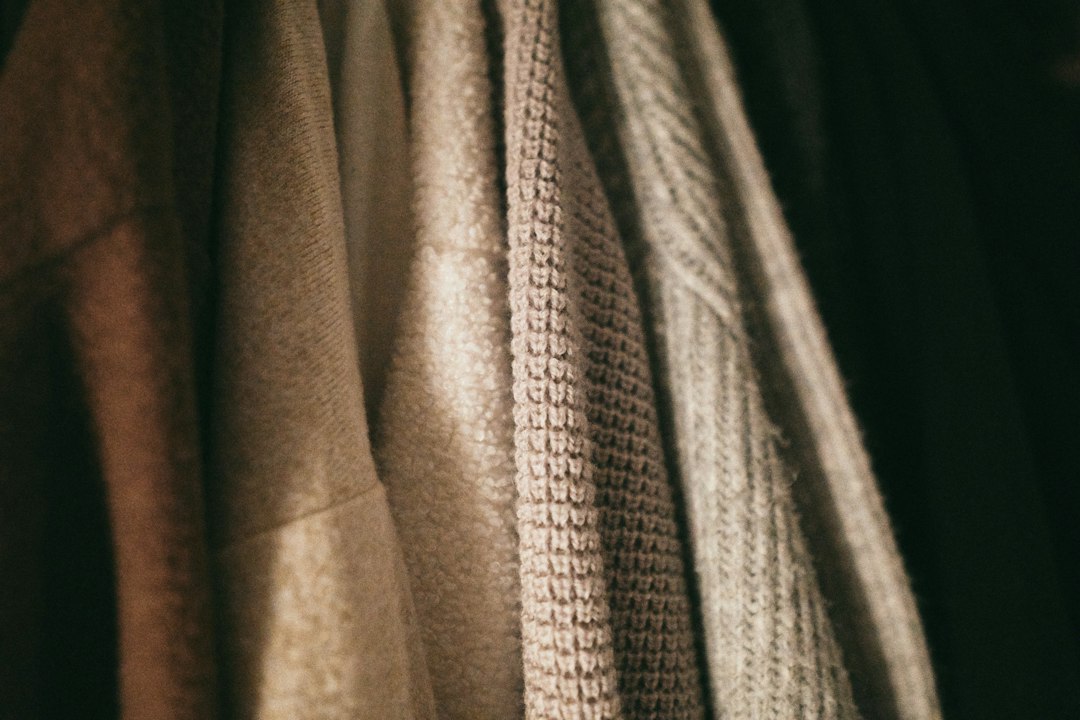
When it comes to luxurious natural fibers, cashmere and merino wool consistently top the charts for their exceptional warmth, softness, and natural properties. Yet, despite their similarities, they possess distinct characteristics that make each uniquely suited for different applications and preferences. As we head into 2026, understanding the nuanced differences between these two premium fibers is key to making informed choices for your wardrobe, whether you’re seeking unparalleled coziness, rugged performance, or a touch of everyday elegance.
The Ultimate Showdown: Cashmere vs. Merino Wool – Key Differences at a Glance
At their core, both cashmere and merino wool are animal-derived fibers renowned for their insulating capabilities and soft touch. However, their origins, fiber structure, and resulting properties diverge significantly. Cashmere, sourced from the undercoat of the Cashmere goat, is prized for its extreme fineness and lightness, offering a delicate, cloud-like feel. Merino wool, on the other hand, comes from the Merino sheep breed and is celebrated for its finer, crimpier fibers compared to traditional wool, providing excellent warmth, breathability, and moisture-wicking properties with a notable degree of resilience.

| Feature | Cashmere | Merino Wool |
|---|---|---|
| Source Animal | Cashmere Goat | Merino Sheep |
| Fiber Diameter (Microns) | 14-19 µm (exceptionally fine) | 17-24 µm (very fine for wool) |
| Key Properties | Unrivaled softness, lightweight warmth, luxurious drape | Excellent warmth, moisture-wicking, breathability, odor resistance, durability |
| Feel | Silky, incredibly soft, smooth | Soft, comfortable, less “prickly” than traditional wool |
| Warmth-to-Weight Ratio | Extremely high | Very high |
| Durability | Delicate, prone to pilling and wear | Resilient, durable, resistant to abrasion |
| Care Requirements | Hand wash or dry clean, delicate | Machine washable (often), easy care |
| Price Point | High to Very High | Moderate to High |
Decoding the Softness Factor: Which Fiber Feels Better?
Softness is often the first attribute that comes to mind when discussing these premium fibers. While both are significantly softer than coarse wool, the experience of touching and wearing them is distinct.
Cashmere: The Epitome of Luxury Softness
Cashmere is synonymous with ultimate softness. Its fibers are incredibly fine, with diameters typically ranging from 14 to 19 microns. This fineness, combined with a natural smoothness, results in a texture that feels almost weightless and silken against the skin. It drapes beautifully and offers a gentle, luxurious embrace that is difficult to replicate. The high concentration of fine fibers allows for a dense yet lightweight knit, contributing to its signature plush feel.
Merino Wool: Naturally Soft, Exceptionally Comfortable
Merino wool also boasts remarkable softness, especially compared to conventional wool. Its fibers are finer than typical sheep wool, generally between 17 and 24 microns, and possess a natural crimp. This crimp creates tiny air pockets, enhancing insulation and providing a springy, comfortable feel. While not as ethereal as cashmere, fine merino wool feels smooth and non-prickly to most individuals, offering a comfortable wear that balances softness with a subtle resilience.
Direct Comparison: Softness Under Scrutiny
The difference in softness is primarily one of degree and sensation. Cashmere’s superior fineness translates to an unparalleled, almost buttery smoothness. It glides over the skin with minimal friction. Merino wool, while very soft, retains a subtle woolly character. The crimp in merino fibers can sometimes be felt as a slight texture, which, while comfortable, is less “slippery” than cashmere. For those with extremely sensitive skin, even fine merino might present a slight tactile difference, though it is rarely described as itchy in the way older, coarser wools were.
Beyond the Feel: Analyzing Warmth and Insulation
Both fibers excel at trapping body heat, but they achieve this through slightly different mechanisms and offer varying levels of insulation relative to their weight.
Cashmere’s Thermal Performance: Lightweight Warmth
Cashmere is renowned for its ability to provide exceptional warmth without bulk. The extreme fineness of its fibers allows them to be spun into very dense fabrics that trap air efficiently. A lightweight cashmere sweater can feel as warm, if not warmer, than a much heavier garment made from other materials. This characteristic makes it ideal for layering or for use in milder climates where substantial insulation isn’t always needed but a cozy feel is desired.
Merino Wool’s Heat Retention: Superior Insulation
Merino wool is a powerhouse of natural insulation. The natural crimp of the fibers creates tiny air pockets within the fabric, which effectively trap body heat and provide a robust barrier against cold. Merino wool also has the unique ability to generate warmth even when damp, thanks to a chemical reaction that occurs as moisture is absorbed. This makes it an exceptional choice for outdoor activities and demanding conditions where consistent warmth is critical.
Comparative Warmth Test Results (Hypothetical Scenarios)
In head-to-head warmth tests, a garment of equivalent weight and knit construction would likely show merino wool providing slightly superior insulation, particularly in variable conditions. For instance, if comparing a 200-gram sweater of each fiber:
- Cold, Dry Conditions: Merino wool might offer a marginal advantage due to its crimp and moisture management, keeping you warmer if you sweat lightly.
- Very Cold, Stationary Conditions: Both would perform exceptionally well, with cashmere potentially feeling “warmer” due to its extreme lightness and density.
- Activity-Based Warmth: Merino wool’s breathability and moisture-wicking properties make it the clear winner for active pursuits, preventing overheating and chill from sweat.
The key takeaway is that while cashmere offers incredible warmth for its weight, merino wool’s thermal regulation is more dynamic, especially during physical activity.

Durability and Care: Longevity of Your Luxury Fibers
The lifespan and maintenance requirements of cashmere and merino wool differ significantly, impacting their practicality for everyday wear.
The Resilience of Merino Wool: Built to Last
Merino wool is a surprisingly durable fiber. Its natural crimp and elasticity allow it to stretch and recover without breaking. It is more resistant to abrasion and wear than cashmere, making it suitable for garments that endure frequent use and movement. Many modern merino wool items are designed for easy care, with many being machine washable and resistant to shrinking or losing their shape when cared for properly. Its inherent odor resistance also means less frequent washing is needed.
Cashmere’s Delicate Nature: Handling and Maintenance
Cashmere is undeniably a delicate luxury. Its fine, smooth fibers are more susceptible to friction, causing pilling and wear over time. It requires gentle handling, typically hand washing in cool water with a mild detergent or professional dry cleaning. Aggressive washing, wringing, or machine drying can easily damage cashmere, leading to shrinkage, felting, or loss of its soft texture. While incredibly soft, its longevity depends heavily on careful maintenance and less frequent, gentler use.
Stain Resistance and Odor Control: Practical Considerations
Merino wool has a natural advantage in odor resistance. Its fibers have a natural protective layer (keratin) that prevents odor-causing bacteria from proliferating. This means merino garments can often be worn multiple times between washes, simply by airing them out. Cashmere, while not inherently prone to strong odors, does not possess the same level of natural antibacterial properties and typically requires more frequent cleaning if exposed to significant wear or external smells.
In terms of stain resistance, neither fiber is inherently stain-proof. However, the smoother surface of cashmere fibers might make some surface stains easier to wipe away immediately, whereas the slightly more textured surface of merino wool might trap liquids slightly more readily. Both require prompt attention to spills to prevent them from setting.
Price Point and Value Proposition: Investing in Quality
The cost associated with cashmere and merino wool reflects their rarity, the difficulty of their production, and their inherent luxury or performance qualities.
The Premium Price of Cashmere
Cashmere is significantly more expensive than merino wool. The scarcity of cashmere goats, the labor-intensive process of collecting the fine undercoat, and the inherent luxury appeal all contribute to its high price tag. A high-quality cashmere sweater can range from $200 to over $1000, depending on the grade of cashmere, brand, and construction. This positions cashmere as an occasional luxury rather than an everyday staple for most.
Merino Wool: Accessible Luxury and Smart Investment
Merino wool offers a more accessible entry into the world of premium natural fibers. While fine merino wool garments are more expensive than standard wool or synthetic alternatives, they are generally more affordable than cashmere. High-quality merino sweaters might range from $80 to $300. This price point makes it a more practical choice for everyday wear, outdoor gear, and performance apparel, offering excellent value for its comfort, warmth, and durability.
Cost-Per-Wear Analysis: Which Offers Better Value?
When considering cost-per-wear, merino wool often emerges as the more economical choice for active lifestyles or frequent use. Its superior durability and easier care mean it can withstand regular wear and washing cycles, maintaining its appearance and function for longer. Cashmere, due to its delicate nature, requires more specialized care and is often reserved for less demanding occasions, which can increase its effective cost-per-wear if not handled with extreme care or if items are replaced more frequently due to wear and tear.
Real-World Performance: When to Choose Which Fiber
The optimal choice between cashmere and merino wool hinges on the intended use, desired feel, and practical considerations.
Best Use Cases for Cashmere in 2026
Cashmere shines in situations where comfort, elegance, and lightweight warmth are paramount. Think of:
- Loungewear and Relaxation: Its supreme softness makes it ideal for cozying up at home.
- Business Casual and Office Wear: A fine cashmere sweater or cardigan adds a touch of sophistication to professional attire without overheating.
- Travel (Mild Climates/In-Flight): Lightweight and packable, it provides warmth without bulk on planes or during travel in temperate destinations.
- Special Occasions: Its luxurious feel and drape make it suitable for evening wear or events where comfort and style are key.
Optimal Applications for Merino Wool in 2026
Merino wool excels in performance and everyday active wear, offering versatility and resilience:
- Outdoor Adventures: Its moisture-wicking, breathability, and warmth (even when wet) make it perfect for hiking, skiing, camping, and running. Think base layers, socks, mid-layers.
- Everyday Basics: Durable and easy to care for, merino wool t-shirts, sweaters, and beanies are excellent for daily wear.
- Travel (Varied Climates): Its thermoregulating properties and odor resistance make it ideal for packing light and wearing versatile pieces across different weather conditions.
- Workwear (Active Jobs): For those who need warmth and durability without sacrificing too much comfort.
Expert Picks: Top Cashmere and Merino Wool Garments to Watch
In 2026, expect to see continued innovation in both fiber categories. For cashmere, focus on brands known for ethical sourcing and superior fiber grades (like Grade-A cashmere) in classic silhouettes like crewneck sweaters, elegant scarves, and refined cardigans. For merino wool, look towards technical apparel brands integrating it into highly engineered base layers, lightweight hiking socks that offer blister protection, and versatile, odor-resistant travel wear. Sustainability certifications and advanced knitting techniques that minimize pilling will also be key differentiators.
Frequently Asked Questions: Cashmere vs. Merino Wool
Is Cashmere Warmer Than Merino Wool?
Generally, for an equivalent weight and knit density, cashmere offers exceptional warmth due to its extreme fineness and ability to trap air. However, merino wool’s unique fiber structure and moisture-management properties can provide more consistent warmth in active or damp conditions.
Can Merino Wool Be Itchy?
Fine merino wool, particularly that with a micron count below 20, is rarely itchy. Its fibers are smooth and flexible, unlike coarser traditional wools. If you experience itchiness, it’s likely due to the micron count of the wool, the knit structure, or a sensitivity to wool in general, rather than a universal characteristic of merino.
How Do I Care for Cashmere and Merino Wool Items?
Cashmere requires gentle hand washing in cool water with a mild detergent, followed by careful drying flat. It is best to avoid machine washing or vigorous wringing. Merino wool is often machine washable on a gentle cycle with wool-specific detergent, and many items can be tumble-dried on low heat or air-dried flat. Always check the care label.
Which is More Sustainable: Cashmere or Merino Wool?
Both are natural, biodegradable fibers. Sustainability considerations often focus on animal welfare, land management practices, and processing methods. While both have potential environmental impacts, responsible sourcing and production are key. Merino wool farming is often highlighted for its land stewardship practices, while advancements in traceable and ethical cashmere sourcing are ongoing. The longevity and reduced washing needs of merino wool can also contribute to a lower environmental footprint over its lifecycle.
👑 Ultimate Winner: Merino Wool for Versatility and Durability
While cashmere reigns supreme in terms of sheer, unadulterated softness and luxurious feel, Merino Wool emerges as the Ultimate Winner for overall versatility, durability, and practical value in 2026. Its exceptional balance of warmth, breathability, moisture-wicking, odor resistance, and resilience makes it the superior choice for active lifestyles, travel, and everyday wear. Cashmere remains the pinnacle of indulgent comfort for special occasions and loungewear, but for a fiber that performs across a wide spectrum of conditions and demands minimal fuss, merino wool is the clear, indispensable champion.