
🧰 Tools & Gear You’ll Need
- A detailed itinerary
- Japan Rail Pass (if applicable)
- Pocket Wi-Fi device or SIM card
- Comfortable walking shoes
- Travel adapter
- Basic Japanese phrasebook or app
- Credit/debit cards and some Japanese Yen (JPY)
- Travel insurance documents
- Reusable water bottle
- Snacks for travel days
Understanding Your Budget: Setting Financial Goals for Japan
Embarking on a budget trip to Japan in 2026 is an achievable dream, but it requires meticulous planning. The first, and most crucial, step is to understand exactly how much you can realistically spend. This isn’t just about picking a number; it’s about setting clear financial goals that align with your travel aspirations. Think of it as building a financial blueprint for your adventure. A common pitfall for first-time budget travelers is underestimating the costs associated with daily life in Japan, even when trying to save. We’ll break down how to set these goals realistically, ensuring your trip is enjoyable without the constant stress of overspending.
Define Your Total Trip Budget
Determine the absolute maximum you’re willing to spend on your entire Japan trip, from flights to souvenirs. Be honest with yourself about your financial situation. It’s better to set a slightly higher budget and come in under than to set an unrealistically low one and be disappointed.
Research Average Costs
Familiarize yourself with the typical costs for accommodation, food, transportation, activities, and miscellaneous expenses in Japan. Websites like Japan-Guide, official tourism sites, and travel forums are excellent resources. Look for data specific to the cities you plan to visit, as costs can vary significantly.
Allocate Funds by Category
Once you have a total budget and an understanding of average costs, break it down into categories: flights, accommodation, daily expenses (food, local transport, activities), and a buffer for unexpected costs or impulse purchases. This structured approach helps you track your spending and identify areas where you can save.
Estimating Daily Expenses (Accommodation, Food, Transport)
Daily expenses can quickly add up, so a realistic estimate is key. For accommodation, budget travelers can aim for anywhere from ¥3,000 to ¥7,000 per night. Food can be surprisingly affordable if you know where to look, with options ranging from ¥2,000 to ¥4,000 per day. Local transportation, especially within cities using subways and buses, might cost around ¥1,000 to ¥2,000 daily, depending on your travel patterns. These figures are averages and can be adjusted based on your chosen destinations and travel style.
Calculating Flight Costs and Booking Strategies
Flights are often the single largest expense for international travel. For budget trips, flexibility with your travel dates and departure airports is your greatest asset. Use flight comparison websites extensively, set up fare alerts, and consider budget airlines that fly into secondary airports. Booking 3-6 months in advance is generally recommended, but keep an eye out for last-minute deals if you have flexibility.

Factor in Activities, Souvenirs, and Emergency Funds
Beyond the essentials, allocate funds for the experiences that make your trip memorable. Research the entrance fees for attractions you’re keen to visit. Souvenirs can range from inexpensive trinkets to pricier crafts. Crucially, always set aside an emergency fund—at least 10-15% of your total budget—for unforeseen circumstances like medical issues, lost items, or unexpected travel changes. This fund is your financial safety net.
When to Go: Timing Your Budget Japan Trip for Maximum Savings
Japan’s appeal is year-round, but timing your visit can dramatically impact your budget. Certain periods are significantly more expensive due to holidays and peak seasons. Understanding these patterns allows you to strategically choose dates that offer lower prices, fewer crowds, and pleasant weather.
Shoulder Seasons: Spring (Mar-May) and Autumn (Sep-Nov) for Lower Prices and Great Weather
The shoulder seasons—spring (March to May) and autumn (September to November)—are often cited as the sweet spots for budget travelers. You’ll experience pleasant temperatures ideal for sightseeing, stunning natural beauty (cherry blossoms in spring, vibrant foliage in autumn), and comparatively lower prices for flights and accommodation compared to peak summer or winter holidays. However, be aware that cherry blossom season (late March to early April) and autumn foliage season can still attract significant crowds and higher prices, especially in popular spots.
Off-Peak Travel: Avoiding Golden Week and New Year Holidays
Steer clear of Japan’s major holiday periods if budget is your primary concern. Golden Week (late April to early May) and the New Year holidays (late December to early January) see a massive surge in domestic travel, leading to inflated prices and fully booked transportation and accommodations. Other periods to potentially avoid for budget travel include Obon (mid-August).
Exploring Winter Deals and Summer Festivals
Winter (December to February) can offer some of the lowest prices, especially outside of the New Year period. While cold, it’s perfect for enjoying snow sports, onsen (hot springs), and fewer crowds in major cities. Summer (June to August) is hot and humid but is festival season, offering vibrant cultural experiences. While flights might be moderately priced, accommodation in popular festival destinations can be expensive. June often sees the rainy season (‘tsuyu’), which can mean lower prices but also unpredictable weather.

Flights and Transportation: Getting to and Around Japan Affordably
Navigating Japan doesn’t have to drain your wallet. Strategic planning for flights and local transit is crucial for a budget-conscious trip.
Finding Cheap Flights: Tips and Tricks for Booking in Advance
The earlier you book, the better your chances of securing lower fares. Use flight aggregators like Skyscanner, Google Flights, and Kayak, and be flexible with your dates and times. Consider flying mid-week, as weekend flights are typically more expensive. Red-eye flights can also offer savings. Don’t overlook budget carriers, but always factor in baggage fees and other add-ons, which can quickly increase the overall cost.
Japan Rail Pass: Is It Worth It for Your Itinerary?
The Japan Rail Pass (JR Pass) offers unlimited travel on most JR trains, including Shinkansen (bullet trains), for a fixed period. Its value depends entirely on your itinerary. If you plan to travel long distances between multiple cities (e.g., Tokyo to Kyoto, Kyoto to Hiroshima) within a short timeframe, it can be a significant saving. However, if your trip focuses on a single region or you’re only taking a few long-distance trips, individual tickets or regional passes might be cheaper. Calculate the cost of your planned long-distance journeys and compare it to the JR Pass price *before* purchasing.
Budget-Friendly Alternatives: Highway Buses and Domestic Flights
For inter-city travel, especially if you’re not using a JR Pass, consider highway buses (like Willer Express). They are significantly cheaper than Shinkansen, though much slower. Overnight buses can save on a night’s accommodation. Budget domestic airlines (e.g., Peach Aviation, Jetstar Japan) can also be surprisingly affordable for longer distances, especially if booked in advance, but remember to factor in travel time and cost to/from airports.
Navigating Local Transport: Subways, Buses, and IC Cards
Within cities, subways and buses are your best bet. Purchase an IC card (Suica, Pasmo, Icoca, etc.) upon arrival. These rechargeable cards can be used on most public transport systems across Japan, as well as at many convenience stores and vending machines. They eliminate the need to buy individual tickets for each journey and offer a seamless travel experience. While city-specific day passes exist, they are often only cost-effective if you plan an extremely high volume of travel within a single day.
Accommodation on a Dime: Sleep Soundly Without Breaking the Bank
Where you sleep significantly impacts your budget. Japan offers a range of unique and affordable accommodation options beyond standard hotels.
Hostels and Guesthouses: Social and Affordable Stays
Hostels are excellent for solo travelers and those looking to meet people. Dorm beds are the cheapest option, typically ranging from ¥2,500 to ¥5,000 per night. Many hostels also offer private rooms at a higher, but still budget-friendly, price. Guesthouses are often family-run and provide a more intimate, home-like atmosphere, usually with shared bathrooms and kitchens, making them great for budget travelers.
Business Hotels: Compact and Cost-Effective Options
Business hotels (like Toyoko Inn, APA Hotel, Super Hotel) are a staple in Japan, catering to business travelers but perfect for tourists seeking a private, clean, and efficient room. They are typically small, with essential amenities, and often include basic breakfast. Prices can range from ¥5,000 to ¥10,000 per night for a single or double room, offering great value for the privacy and convenience.
Capsule Hotels: A Unique Japanese Budget Experience
For a truly unique Japanese experience, try a capsule hotel. These offer a small sleeping pod, often with shared bathroom facilities. They are extremely budget-friendly, typically ranging from ¥3,000 to ¥6,000 per night. While basic, they provide privacy within the pod and are often located in convenient city center locations. They are generally segregated by gender.

Airbnb and Vacation Rentals: For Longer Stays or Groups
If you’re staying for a week or more, or traveling with a group, Airbnb or other vacation rental platforms can be cost-effective. You get more space, a kitchen (saving money on meals), and a more local living experience. However, be sure to check regulations, as some cities have restrictions on short-term rentals.
Eating Well on a Budget: Savoring Japanese Cuisine Affordably
Japanese food is world-renowned, and you don’t need a big budget to enjoy its diverse flavors. Strategic eating can lead to delicious and inexpensive meals.
Convenience Stores (Konbini): Delicious and Cheap Meals
Japanese convenience stores like 7-Eleven, FamilyMart, and Lawson are a budget traveler’s best friend. They offer an incredible variety of affordable and surprisingly high-quality food: onigiri (rice balls), bento boxes, sandwiches, salads, pastries, hot snacks, and even full meals. You can easily get a satisfying meal for ¥500-¥1,000.
Local Eateries and Izakayas: Authentic Flavors for Less
Venture beyond tourist traps to find local ramen shops, udon noodle houses, curry restaurants, and izakayas (Japanese pubs). These often offer set lunch menus (teishoku) for ¥800-¥1,500, which are excellent value. Izakayas are great for sharing small plates (yakitori, edamame, etc.) and enjoying drinks, and prices are very reasonable, especially during happy hour.
Seek Out “Shokudo” and “Teishoku”
Look for small, often bustling eateries called “shokudo” (general diners) or restaurants advertising “teishoku” (set meals). These are typically local-focused and offer hearty, well-priced lunches and dinners.
Embrace Standing Sushi Bars
For a quick and affordable sushi fix, look for standing sushi bars. You pay per piece and can control your spending while enjoying fresh, quality sushi.
Utilize Vending Machines for Drinks and Snacks
Japan’s ubiquitous vending machines offer hot and cold drinks, and sometimes even simple snacks, at reasonable prices, perfect for staying refreshed on the go.
Supermarket Delights: Bento Boxes and Fresh Produce
Supermarkets are treasure troves for budget foodies. At closing time (usually around 7-9 PM), many supermarkets heavily discount their pre-made bento boxes, sushi, and prepared foods, offering incredible value. You can also buy fresh fruit, bread, and other essentials for picnics or simple meals.
Picnics in Parks: Enjoying Food with a View
Combine delicious budget food with scenic beauty by having a picnic. Grab items from a konbini or supermarket and head to one of Japan’s many beautiful parks (like Ueno Park in Tokyo, Maruyama Park in Kyoto) or riverbanks. It’s a relaxing and cost-effective way to enjoy a meal.
Must-See Attractions and Activities: Experiencing Japan Without Overspending
Japan is brimming with incredible sights, and many of them are free or low-cost. Prioritizing these experiences can lead to a rich cultural immersion without draining your bank account.
Free and Low-Cost Attractions: Temples, Shrines, Parks, and Markets
Many of Japan’s most iconic sites cost nothing or very little to enter. Explore the serene grounds of countless temples and shrines (like Senso-ji in Tokyo, Fushimi Inari Shrine in Kyoto), wander through beautiful public parks, and experience the bustling atmosphere of local markets (like Tsukiji Outer Market in Tokyo, Nishiki Market in Kyoto). Many observatories in city halls also offer free panoramic city views.
Utilizing City Passes and Discount Coupons
Research if your destination offers city-specific passes that cover multiple attractions or offer discounts. Examples include the Tokyo Subway Ticket, the Osaka Amazing Pass, or the Kyoto Sightseeing Pass. These can offer significant savings if your itinerary aligns with the included attractions. Look for discount coupons in tourist information centers, travel magazines, or online.

Planning Day Trips from Major Cities
Japan’s efficient train system makes day trips from major hubs incredibly accessible and often budget-friendly. From Tokyo, consider trips to Hakone (for nature and art), Nikko (for ornate shrines), or Kamakura (for its Great Buddha). From Kyoto or Osaka, Nara (famous for its friendly deer), Kobe, or Himeji (with its stunning castle) are great options. Factor in the train fare or consider if a regional rail pass would be beneficial for multiple day trips.
Enjoying Cultural Experiences on a Budget
Beyond sightseeing, immerse yourself in Japanese culture affordably. Attend free cultural events or festivals if your dates align. Visit local libraries or community centers for a glimpse into daily life. Many department stores have free traditional craft or art exhibitions on upper floors. Even simply observing daily life in a local neighborhood offers a rich cultural experience.
Essential Pre-Trip Planning and Packing for a Budget Traveler
Thorough preparation is the hallmark of a successful budget trip. These final planning steps ensure a smooth and worry-free journey.
Visa Requirements and Travel Insurance
Check the visa requirements for your nationality well in advance. Even if a visa isn’t required, ensure your passport is valid for at least six months beyond your stay. Travel insurance is non-negotiable for budget travel. It protects you against unexpected medical emergencies, trip cancellations, lost luggage, and other unforeseen events, saving you potentially enormous costs.
Packing Light: Essentials for a Seamless Journey
Pack only what you need. Lighter luggage makes navigating crowded trains and stations easier and can save you money on potential baggage fees, especially with budget airlines. Focus on versatile clothing items that can be layered. Comfortable walking shoes are paramount, as you’ll be doing a lot of walking.
Choose Versatile Clothing
Pack items that can be mixed and matched and layered. Consider wrinkle-resistant fabrics.
Prioritize Comfort for Footwear
You’ll be walking miles daily. Break in any new shoes before your trip.
Include a Small Daypack
Essential for carrying water, snacks, a camera, and purchases during daily explorations.
Pack Travel-Sized Toiletries
Many accommodations provide basics, but having your preferred items in small sizes is convenient.
Learning Basic Japanese Phrases
While many signs in tourist areas have English, knowing a few basic Japanese phrases can greatly enhance your experience and show respect. Learn greetings (“Konnichiwa,” “Arigato,” “Sumimasen”), numbers, and phrases for ordering food or asking for directions. A small phrasebook or a translation app on your phone is invaluable.
Staying Connected: Pocket Wi-Fi and SIM Cards
Staying connected is important for navigation, communication, and accessing information. Renting a pocket Wi-Fi device or purchasing a travel SIM card upon arrival in Japan is highly recommended. This is often more cost-effective than relying on international roaming. Many hostels and cafes offer free Wi-Fi, but a dedicated device ensures you’re connected wherever you go.
Sample Budget Itineraries for Japan (2026)
These sample itineraries are designed to give you a framework for a budget-friendly trip. Remember to adjust them based on your interests and pace.
7-Day Budget Tokyo & Hakone Itinerary
Days 1-4: Tokyo. Explore Shibuya Crossing, Shinjuku Gyoen National Garden (small fee), Senso-ji Temple (free), Meiji Jingu Shrine (free), Harajuku’s Takeshita Street (window shopping). Utilize Tokyo Subway Ticket. Eat from konbinis and local ramen shops. Stay in a hostel or budget business hotel in areas like Asakusa or Ueno.
Days 5-6: Hakone. Take a budget train or bus. Purchase the Hakone Free Pass for local transport (ropeway, pirate ship cruise). Enjoy views of Mt. Fuji (weather permitting) and the Open-Air Museum (entry fee). Stay in a budget guesthouse.
Day 7: Return to Tokyo/Departure.
10-Day Budget Kansai (Osaka, Kyoto, Nara) Itinerary
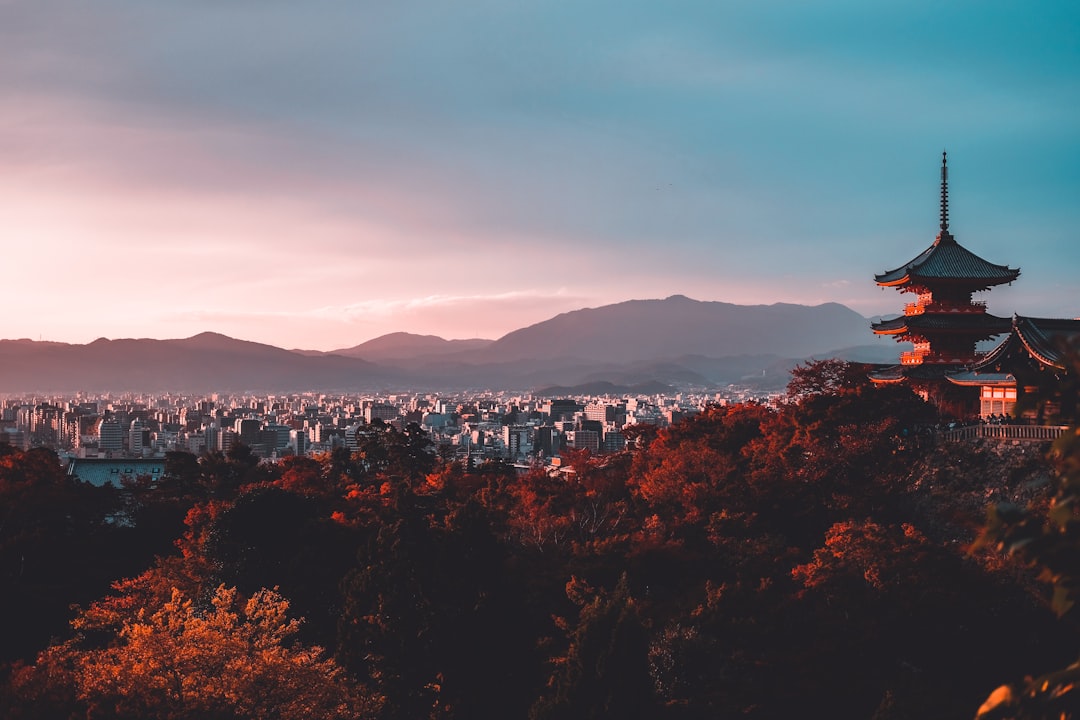
Days 1-4: Kyoto. Base yourself in a hostel. Visit Fushimi Inari Shrine (free), Arashiyama Bamboo Grove (free), Kinkaku-ji (Golden Pavilion – entry fee), Kiyomizu-dera Temple (entry fee). Explore Gion. Utilize local buses and trains. Eat at Nishiki Market and local eateries.
Days 5-7: Osaka. Travel by local train (cheap). Explore Dotonbori, Osaka Castle (exterior free, interior fee), Shinsekai. Enjoy street food. Consider the Osaka Amazing Pass if visiting multiple paid attractions.
Day 8: Nara Day Trip. Easy train ride from Osaka or Kyoto. Visit Todai-ji Temple (Great Buddha Hall – entry fee) and interact with wild deer in Nara Park (free).
Days 9-10: Final Exploration/Departure from Osaka.
14-Day Budget Grand Tour of Japan
This itinerary requires careful JR Pass calculation or significant use of budget buses/domestic flights. A possible route:
Days 1-4: Tokyo. (As per 7-day itinerary, focusing on free/low-cost activities).
Days 5-7: Hakone/Fuji Five Lakes. (Focus on nature, views, and budget stays).
Days 8-11: Kyoto. (Explore key temples, shrines, and markets).
Days 12-13: Osaka/Nara. (City exploration and day trip to Nara).
Day 14: Departure from Osaka (KIX).
Frequently Asked Questions About Budget Travel to Japan in 2026
Q1: How much money do I need for a 10-day budget trip to Japan?
A: A realistic budget, excluding international flights, could range from ¥70,000 to ¥120,000 per person (approx. $470-$800 USD as of late 2023, exchange rates vary). This covers budget accommodation, affordable food, local transport, and some activities.
Q2: Is the Japan Rail Pass still worth it after the price increase?
A: For most travelers focusing on one region or taking only 1-2 long-distance trips, it’s likely not worth it anymore. Calculate your specific train journeys meticulously using a JR Pass calculator before deciding.
Q3: Can I survive in Japan without speaking Japanese?
A: Yes, especially in major tourist areas. Many signs have English, and people in the tourism industry often speak some English. However, learning basic phrases significantly enhances the experience and is highly recommended.
Q4: What’s the cheapest way to eat in Japan?
A: Convenience stores (konbini), supermarket bento boxes (especially discounted ones in the evening), and local eateries offering set lunch menus (teishoku) are your best bets for affordable and delicious meals.
Q5: Is tipping customary in Japan?
A: No, tipping is not customary and can even be considered impolite in Japan. Excellent service is standard.