
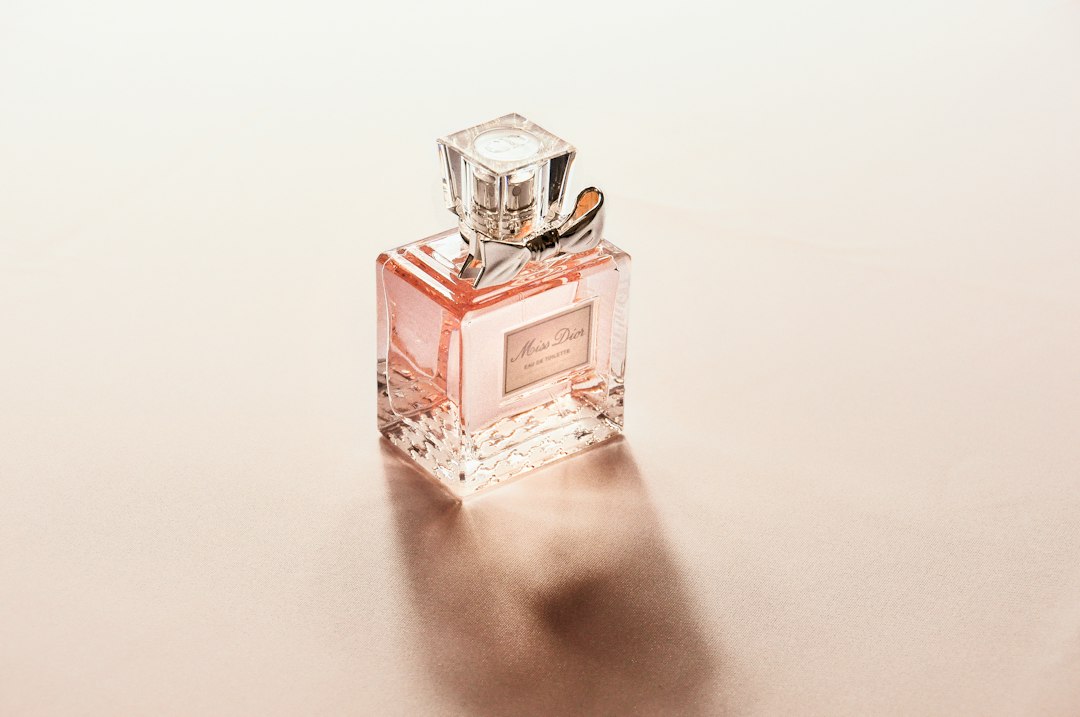
🧰 Tools & Gear You’ll Need
- Your favorite perfumes (Eau de Parfum or Parfum recommended for longevity)
- Unscented body lotion or moisturizer
- Perfume oil or solid perfume (optional, for layering)
- Hair mist (optional)
- Cotton pads or unscented paper strips (for testing)
- A small, portable atomizer or refillable travel spray
- A clean, dry spray bottle (for DIY scent enhancers, optional)
The Science of Scent Longevity: Why Some Perfumes Fade Fast
Ever wonder why that killer scent you loved in the store vanishes before your lunch break? It’s not just in your head. Scent longevity is a complex interplay of chemistry, application, and even your own skin. Understanding these factors is your first weapon in the battle against fleeting fragrance.

Understanding Perfume Notes: Base, Middle, and Top
Perfumes are structured like music, with different “notes” that emerge over time. Top notes are the initial spritz—light, airy, and quick to fade (think citrus, light florals). Middle notes, or heart notes, bloom after the top notes subside and form the core of the fragrance (think spices, fuller florals, fruits). Base notes are the foundation—rich, deep, and the longest-lasting elements (think woods, musk, vanilla, amber). Scents dominated by heavier base notes inherently last longer.
Concentration Matters: Eau de Parfum vs. Eau de Toilette vs. Cologne
This is a crucial, often misunderstood, factor. Concentration refers to the percentage of pure fragrance oil in the alcohol and water base.
- Parfum (Extrait de Parfum): The highest concentration (20-40% oil). These are potent, luxurious, and designed to last 6-8+ hours. The heavy hitters.
- Eau de Parfum (EDP): Typically 15-20% oil concentration. Offers excellent longevity, usually 4-6 hours, making it a popular choice for all-day wear.
- Eau de Toilette (EDT): Lower concentration (5-15% oil). Lighter, fresher, and fades faster, usually 2-4 hours. Better for warmer weather or shorter durations.
- Cologne (Eau de Cologne): The lightest, usually 2-5% oil. Very fleeting, often lasting only 1-2 hours. Best for a quick refresh.
For all-day fragrance, your go-to should be EDP or Parfum. Relying on EDT or Cologne for 8-hour wear is setting yourself up for disappointment.
The Impact of Ingredients on Scent Performance
Certain ingredients are simply more volatile than others. Citrus oils (lemon, bergamot), light florals (lavender, jasmine), and green notes evaporate quickly. In contrast, heavier molecules like woods (sandalwood, cedarwood), resins (frankincense, myrrh), musks, vanilla, and amber have larger molecular structures and evaporate much slower, anchoring the fragrance to your skin for hours. Gourmand notes (vanilla, chocolate, caramel) also tend to be very tenacious.
Pre-Application Secrets: Preparing Your Skin for Lasting Fragrance
Think of your skin as the canvas. A well-prepared canvas holds the paint (fragrance) better and longer. Skipping this step is like trying to build a house on sand.

The Power of Hydration: Moisturizing for Scent Adhesion
Dry skin is a fragrance killer. Perfume oils need something to cling to. Applying an unscented moisturizer or body oil to your skin *before* perfume creates a slightly dewy surface that helps the fragrance molecules bind and last significantly longer. Focus on the areas where you’ll be applying the scent. Water-based lotions offer some benefit, but richer creams or oils are superior for scent adhesion.
Key Application Zones: Where to Spray for Maximum Longevity
Fragrance travels upwards and is amplified by body heat. Target areas where blood vessels are closer to the skin’s surface – these are your “pulse points.”
- Wrists: Classic, but with a caveat (see “Don’t Rub” rule).
- Neck: Both sides, near the carotid artery.
- Behind the ears: Another excellent heat-generating spot.
- Inner elbows: Less common but effective.
- Behind the knees: Especially useful if you’re wearing a skirt or dress; the scent rises.
Think about where you want the scent to emanate from. Chest application is also great for a personal scent bubble.
The “Pulse Point” Myth vs. Reality
The idea of pulse points is largely valid because these areas generate warmth, which helps diffuse the scent. However, the *myth* is that you *only* need to spray pulse points. The reality is that while pulse points are great amplifiers, applying fragrance to other areas, especially well-moisturized skin or clothing, significantly enhances overall longevity. Don’t limit yourself; use pulse points as a starting point, not the endpoint.
Application Techniques: Mastering the Art of Perfume Placement
How you apply your perfume is just as critical as where you apply it. Sloppy application guarantees a short-lived scent experience.

Strategic Spraying: The Right Distance and Amount
Hold the bottle about 6-8 inches (15-20 cm) away from your skin. Aim for a quick, even mist. Don’t drench yourself. One to two sprays on pulse points is often sufficient for an EDP. For areas like the chest or back, a single mist across the area works well. Avoid spraying too close, which can saturate one spot and lead to rapid, uneven evaporation.
The “Don’t Rub” Rule: Why It’s Crucial for Scent Integrity
This is perhaps the most commonly broken rule and the fastest way to kill your fragrance. After spraying your wrists, resist the urge to rub them together. This friction breaks down the larger scent molecules, particularly the base notes, causing the fragrance to fade much faster and altering its intended composition. Let the scent air dry naturally.
Layering Fragrance: Building a Scent That Endures
Layering is an advanced technique for serious scent longevity. Start with a matching or complementary unscented or lightly scented base (like a body oil or lotion). Then, apply a stronger fragrance concentration like a perfume oil or EDP. You can even layer a lighter scent (like an EDT or a hair mist) over your base for a more complex, enduring aroma. This builds olfactory “silos” that release scent gradually.
Beyond the Spray: Innovative Methods for All-Day Scent
Spraying isn’t the only way to wear fragrance. Exploring different formats can offer superior longevity and unique scent experiences.

Perfume Oils and Solid Perfumes: Concentrated Powerhouses
These formats often contain a higher concentration of fragrance oil and less alcohol (or no alcohol, in the case of solids).
- Perfume Oils: Applied directly to the skin, they meld beautifully with body chemistry and tend to last longer than alcohol-based sprays because they don’t evaporate as quickly. The scent is often more intimate and less diffusive.
- Solid Perfumes: Typically a wax or balm base infused with fragrance. Dab onto pulse points. They offer portability and a subtle, long-lasting scent trail, ideal for touch-ups or discreet wear.
Hair Mists and Scented Lotions: Subtle, Long-Lasting Alternatives
Don’t overlook these!
- Hair Mists: Specifically formulated for hair, they contain less alcohol than traditional perfumes, which can be drying. Hair naturally holds scent well due to its porous structure. A light mist adds a beautiful, lingering aura as you move.
- Scented Lotions: As mentioned, a good scented lotion *can* add significant longevity if used correctly (i.e., matching or complementary scent, applied to moisturized skin). Some brands offer lotions specifically designed to enhance their EDPs.
The Role of Fabric and Clothing in Scent Retention
Natural fibers like wool, cashmere, silk, and cotton are excellent scent holders. A light spray on a scarf, the inside of a jacket collar, or even the hem of your trousers can provide a surprisingly long-lasting scent diffusion throughout the day. Be cautious with delicate fabrics or light colors, as some perfumes can stain. Always test on an inconspicuous area first.
Common Mistakes That Kill Your Perfume’s Staying Power
You’re doing everything right, but your scent still fades? Chances are, you’re falling prey to one of these common pitfalls.
Over-Spraying: The Counterintuitive Scent Killer
As mentioned, blasting yourself with perfume doesn’t make it last longer. It saturates your olfactory receptors, making you go “nose blind” faster, and can cause the top and middle notes to evaporate in a concentrated burst, leaving little behind. Quality over quantity is key.
Applying to Dry Skin: A Recipe for Fading Fragrance
We’ve hammered this home, but it bears repeating. Applying perfume to dry, unmoisturized skin is like writing on a wet napkin – the ink just won’t hold. The alcohol in the perfume evaporates quickly, taking the precious fragrance oils with it. Always moisturize first.
Incorrect Storage: How Heat and Light Degrade Your Scent
Your perfume bottle isn’t just décor; it’s a protective vessel. Keep your fragrances out of direct sunlight and away from extreme heat (like a steamy bathroom or a car dashboard). Heat and light break down the aromatic compounds, altering the scent and reducing its potency over time. Store them in a cool, dark place, like a closet or drawer.
Choosing Perfumes Designed for Longevity
Not all perfumes are created equal when it comes to staying power. Making informed choices from the outset is paramount.
Decoding Fragrance Reviews: What to Look For in Scent Performance
When reading reviews (on reputable fragrance sites, blogs, or retailer pages), pay close attention to comments about longevity. Look for terms like “beast mode,” “long-lasting,” “all-day wear,” “projects well,” or specific hour counts (e.g., “I got 8+ hours”). Conversely, beware of reviews mentioning “skin scent after 1 hour,” “fades too quickly,” or “barely there.” Note the concentration (EDP/Parfum) mentioned in the review.
Top Perfume Houses Known for Long-Lasting Scents
While individual scents vary, certain houses have a reputation for creating potent, long-lasting fragrances, often due to their use of high-quality base notes and higher concentrations. Consider brands like:
- Tom Ford: Known for rich, opulent scents with strong projection and longevity.
- Mancera/Montale: Often feature heavy oud, rose, and amber notes that stick around.
- Amouage: Luxury house with complex, powerful fragrances designed for endurance.
- Xerjoff: High-end niche house with many potent, artistic creations.
- Parfums de Marly: Known for sophisticated, crowd-pleasing scents with impressive performance.
Exploring Niche Fragrances with Exceptional Staying Power
Niche perfumery often prioritizes artistry and quality ingredients over mass-market appeal, leading to more unique and often longer-lasting compositions. Look into houses specializing in oriental, woody, or gourmand families, as these notes typically provide the best longevity. Don’t be afraid to explore independent perfumers; they often create true gems with incredible staying power.
Expert Tips for Extending Your Signature Scent Through 2026
Mastering scent longevity is an ongoing process. Here are the final pro insights to keep you smelling incredible, day in and day out.
The Art of the Refill: Maintaining Your Fragrance On-the-Go
Carry a travel-sized atomizer or a solid perfume. A quick, targeted reapplication (one spray behind the neck or a dab of solid perfume) in the late afternoon can revive your scent without overwhelming those around you. This is especially useful in warmer climates or after strenuous activity.
Seasonal Scent Strategies: Adapting Your Perfume for Every Weather
Lighter, fresher scents (citrus, aquatic, light florals) work best in warm weather but fade quickly. In heat, focus on applying EDPs to moisturized skin and clothing, and consider using oils for a lasting base. Cooler weather is the domain of heavier, richer scents (woods, spices, amber, vanilla, gourmands), which naturally perform better and last longer in the cold. Layering becomes even more effective in colder months.
Understanding Your Personal Skin Chemistry’s Impact
This is the ultimate wildcard. Skin pH, oiliness, diet, and even hydration levels can affect how a fragrance interacts and lasts. Oily skin tends to hold onto fragrance longer than dry skin. Some people’s chemistry might amplify certain notes while suppressing others. The key is to experiment and discover which fragrance types and application methods work best *for you*. What’s a 10-hour scent on your friend might be a 4-hour scent on you, and vice-versa. Embrace your unique scent signature.
By implementing these strategies—from understanding the science to mastering application and choosing wisely—you can transform your fragrance experience from fleeting moments to an all-day symphony of scent. Go forth and conquer the olfactory world!