
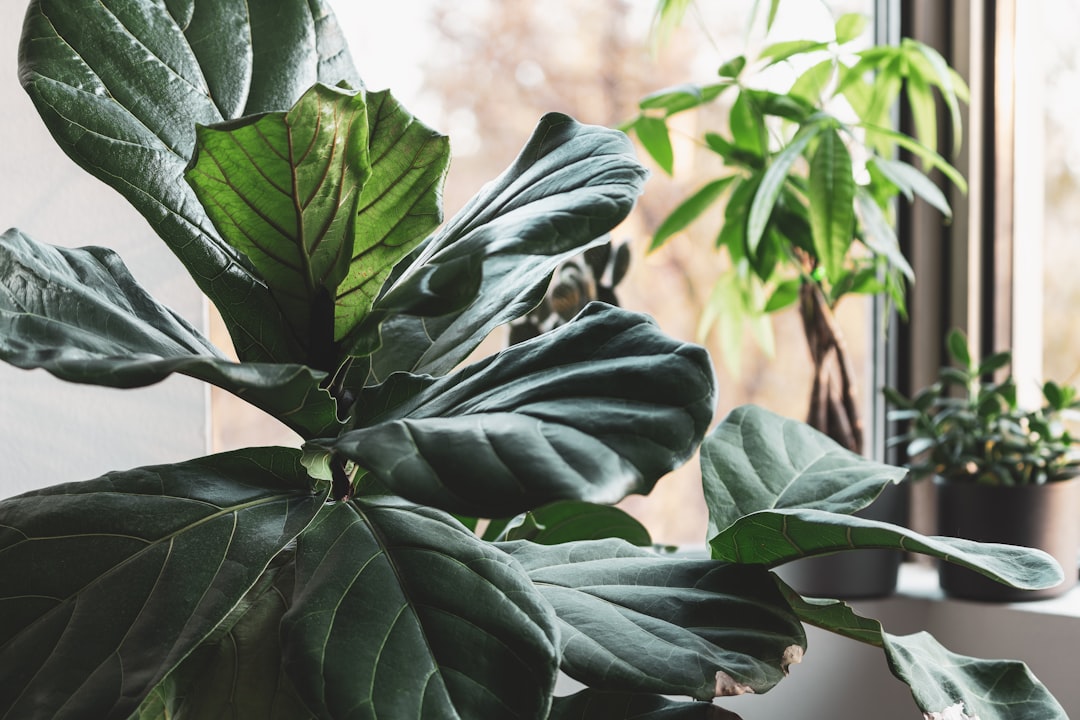
🧰 Tools & Gear You’ll Need
- Fiddle Leaf Fig plant
- Well-draining potting mix (e.g., peat moss, perlite, orchid bark)
- Pot with drainage holes
- Watering can
- Fertilizer (balanced liquid or slow-release)
- Pruning shears (sterilized)
- Misting bottle (optional)
- Grow light (if natural light is insufficient)
- Neem oil or insecticidal soap (for pest control)
- Soft cloth or sponge (for cleaning leaves)
Understanding Your Fiddle Leaf Fig: A Quick Overview
Fiddle Leaf Fig (Ficus Lyrata) Basics
The Fiddle Leaf Fig, scientifically known as *Ficus lyrata*, is a strikingly beautiful and popular houseplant celebrated for its large, violin-shaped, leathery leaves. Native to the rainforests of western Africa, it thrives in bright, indirect light and requires consistent care. While it can grow into a substantial tree in its natural habitat, indoors it typically remains a more manageable size, often reaching heights of 6-10 feet. Its architectural form makes it a statement piece in any home or office decor.

Why Are Fiddle Leaf Figs So Popular?
The allure of the Fiddle Leaf Fig lies in its dramatic visual appeal. Its prominent, dark green leaves bring a lush, tropical vibe to interior spaces. As an upright plant, it adds vertical interest and can fill empty corners, making a significant aesthetic impact. Beyond its looks, its popularity stems from the challenge and reward of keeping it thriving. Successfully nurturing a Fiddle Leaf Fig offers a sense of accomplishment for plant enthusiasts, making it a coveted specimen for those looking to test their green thumb.
Choosing the Right Spot: Light and Placement for Your Fiddle Leaf Fig
Ideal Light Conditions for Fiddle Leaf Figs
Fiddle Leaf Figs are sun-worshippers, but they prefer *bright, indirect sunlight*. Direct, harsh afternoon sun can scorch their delicate leaves, while too little light will stunt their growth and lead to a sparse appearance. Aim for a spot where the plant can receive several hours of bright light each day, filtered through sheer curtains or positioned a few feet away from an east or west-facing window. A south-facing window can work if the light is heavily filtered or if the plant is placed several feet back.
Where to Place Your Fiddle Leaf Fig in Your Home
The best location is typically near a bright window, but not directly in the sun’s path. An east-facing window is often ideal, providing gentle morning sun. If you don’t have access to sufficient natural light, don’t despair. Consider placing your plant in a well-lit room, or using artificial grow lights. Avoid high-traffic areas where the plant might be bumped or disturbed, as Fiddle Leaf Figs dislike being moved frequently.
How to Supplement Light if Needed
If your home lacks bright, indirect light, a grow light is your best friend. Full-spectrum LED grow lights are energy-efficient and provide the necessary wavelengths for photosynthesis. Position the grow light about 1-2 feet above the plant and run it for 10-12 hours a day. Many models have timers, making consistent light exposure effortless. This is a crucial step for Fiddle Leaf Figs in darker apartments or during winter months when natural light is scarce.

Watering Your Fiddle Leaf Fig: The Key to Success
How Often to Water Your Fiddle Leaf Fig
Watering frequency is not on a strict schedule; it depends on environmental factors like light, temperature, humidity, and the size of your pot. The golden rule is to water only when the top 1-2 inches of soil feel dry to the touch. This typically translates to watering once every 1-2 weeks, but always check the soil moisture first. During winter, when plant growth slows, you’ll likely water much less frequently.
Check Soil Moisture
Insert your finger about 1-2 inches into the soil. If it feels dry, it’s time to water. If it feels moist, wait longer.
Water Thoroughly
When you water, do so generously until water runs out of the drainage holes. This ensures the entire root ball is hydrated.
Drain Excess Water
Empty the saucer after about 15-30 minutes to prevent the plant from sitting in standing water, which can lead to root rot.
The Best Watering Method
Water your Fiddle Leaf Fig thoroughly until water drains from the bottom of the pot. This ensures that all the roots receive moisture. Use room-temperature water; cold water can shock the roots. If your tap water is heavily chlorinated or treated, letting it sit out for 24 hours can help dissipate some of the chemicals. Bottom watering (placing the pot in a basin of water and letting it soak up moisture from the bottom) is also an excellent method to ensure even hydration without disturbing the soil surface.
Signs of Overwatering and Underwatering
Overwatering Signs: Yellowing leaves, often starting with the lower ones, brown spots with a yellowish halo, soft and wilting leaves, mushy stems, and a generally unhealthy appearance. Root rot is the primary concern here.
Underwatering Signs: Crispy brown edges or spots on leaves, dry and wilting leaves that feel less firm, and slowed or stopped growth. The soil will feel very dry, and the plant may look generally parched.

Soil, Potting, and Repotting Your Fiddle Leaf Fig
Best Soil Mix for Fiddle Leaf Figs
Fiddle Leaf Figs demand well-draining soil. A heavy, compacted soil will hold too much moisture and lead to root rot. A good potting mix should be airy and allow water to pass through easily. You can create your own mix by combining equal parts peat moss or coco coir, perlite, and orchid bark. Alternatively, a high-quality commercial potting mix formulated for aroids or houseplants with good drainage properties will work well.
Choosing the Right Pot
The pot must have drainage holes. This is non-negotiable! Terracotta pots are excellent as they are porous and help the soil dry out more evenly. However, they can dry out quickly. Glazed ceramic or plastic pots retain moisture longer, so be extra cautious with watering. The pot size should be appropriate for the plant’s root ball – typically only 1-2 inches larger in diameter than the current root ball when repotting.
When and How to Repot Your Fiddle Leaf Fig
Fiddle Leaf Figs are not heavy feeders and don’t need frequent repotting. Repot every 2-3 years, or when the plant becomes root-bound (roots circling the pot or growing out of the drainage holes). The best time to repot is in the spring, during its active growing season. To repot, gently remove the plant from its current pot. Inspect the roots, trimming any rotten or damaged ones. Place the plant in the new pot with fresh soil, ensuring the top of the root ball is about an inch below the pot’s rim. Water thoroughly after repotting.
Fertilizing Your Fiddle Leaf Fig for Healthy Growth
Best Fertilizers for Fiddle Leaf Figs
A balanced liquid fertilizer (e.g., 10-10-10 or 20-20-20 NPK ratio) is ideal. You can also use a slow-release fertilizer formulated for houseplants. Look for fertilizers that contain micronutrients, as these are essential for overall plant health.
Fertilizing Schedule and Application
Feed your Fiddle Leaf Fig during its active growing season, which is spring and summer. Fertilize once a month with a diluted liquid fertilizer (half-strength is usually recommended to avoid burning the roots). If using a slow-release fertilizer, follow the product instructions, typically applying once in early spring. Do not fertilize during the fall and winter months when the plant’s growth naturally slows down.

Pruning and Shaping Your Fiddle Leaf Fig
Why and When to Prune
Pruning serves multiple purposes: to remove dead or damaged leaves and stems, to control the plant’s size and shape, and to encourage bushier growth. The best time to prune is in the spring or early summer, coinciding with the plant’s active growth period. Avoid pruning in fall or winter, as the plant is less able to recover.
How to Prune for Shape and Bushiness
To encourage a bushier plant, you can prune the main stem just above a leaf node. This will stimulate new growth from that node, leading to more branches. If your plant is leggy, you can prune it back significantly to encourage new, fuller growth from lower down the stem. Always make clean cuts at a slight angle. After pruning, you might notice a white, milky sap oozing from the cut. This is normal; wipe it away with a damp cloth.
Dealing with Common Fiddle Leaf Fig Problems
Brown Spots on Leaves: Causes and Solutions
Brown spots are a common issue. They can be caused by overwatering (often with a yellow halo), underwatering (dry, crispy spots), or physical damage. If the spots are soft and have a yellow halo, reduce watering frequency and ensure good drainage. If they are dry and crispy, increase watering slightly but ensure you’re not overdoing it. If caused by pests, treat accordingly.
Yellowing Leaves: What It Means and How to Fix It
Yellowing leaves usually indicate a watering issue. Overwatering is the most common culprit, leading to root rot and nutrient deficiencies. Underwatering can also cause yellowing, but the leaves will typically be dry and crispy. Check the soil moisture: if wet, let it dry out; if dry, water thoroughly. Ensure proper drainage and avoid letting the plant sit in water.
Pests and Diseases Affecting Fiddle Leaf Figs
Common pests include spider mites, mealybugs, and scale. Inspect your plant regularly, especially the undersides of leaves. If pests are found, isolate the plant and treat with insecticidal soap or neem oil. Wipe down leaves with a damp cloth to remove pests manually. Fungal infections can occur in overly humid or poorly ventilated conditions; ensure good air circulation and avoid overwatering.
Drooping Leaves: Understanding and Addressing the Issue
Drooping leaves are a sign of stress. It can be caused by watering issues (both over and under), sudden changes in temperature or light, or transplant shock. Assess your watering routine and environmental conditions. If the plant has been recently moved or repotted, give it time to adjust. Ensure it’s in a stable environment with consistent light and temperature.
Advanced Fiddle Leaf Fig Care Tips for 2026
Propagating Your Fiddle Leaf Fig
Propagating can be done through stem cuttings or air layering. For stem cuttings, take a 6-8 inch cutting with at least two leaves, dip the cut end in rooting hormone, and plant it in moist potting mix or water. Keep it in a warm, humid environment. Air layering involves making a cut in a healthy stem, wrapping it with moist sphagnum moss, and covering it with plastic wrap. Once roots form, cut below the roots and pot the new plant.
Cleaning Fiddle Leaf Fig Leaves
The large leaves of the Fiddle Leaf Fig can accumulate dust, which hinders photosynthesis and makes the plant look dull. Gently wipe down the leaves every few weeks with a soft, damp cloth. You can use a mild soap solution or plain water. Ensure you support the leaf from underneath while wiping to avoid tearing it. This not only cleans the plant but also allows you to spot pests early.
Humidity and Temperature Considerations
Fiddle Leaf Figs appreciate humidity levels between 40-60%. While they can tolerate average household humidity, increasing it can benefit them, especially in dry climates or during winter. Grouping plants, using a humidifier, or placing the pot on a pebble tray filled with water can help. Ideal temperatures range from 65-75°F (18-24°C) during the day and not dropping below 60°F (15°C) at night. Avoid extreme temperature fluctuations.
FAQ: Your Fiddle Leaf Fig Questions Answered
How fast do fiddle leaf figs grow?
In ideal conditions, Fiddle Leaf Figs can grow quite rapidly, adding several inches of height or producing new leaves each month during the spring and summer growing season. Outdoors in their native habitat, they can grow into large trees. Indoors, growth is typically slower but still noticeable with proper care.
Can fiddle leaf figs tolerate low light?
No, Fiddle Leaf Figs cannot tolerate low light. They require bright, indirect sunlight to thrive. Insufficient light will lead to stunted growth, yellowing leaves, and a generally unhealthy plant. If you lack adequate natural light, a grow light is essential.
What is the best temperature for a fiddle leaf fig?
The best temperature range for a Fiddle Leaf Fig is between 65-75°F (18-24°C) during the day. They can tolerate slightly cooler temperatures at night, but it’s best to keep them above 60°F (15°C) to avoid stress.
How do I make my fiddle leaf fig bushier?
To encourage a bushier Fiddle Leaf Fig, prune the main stem or upper branches. Cutting just above a leaf node will stimulate new lateral growth, leading to a fuller, more branched plant. Regular pruning, especially during the growing season, is key to achieving bushiness.