
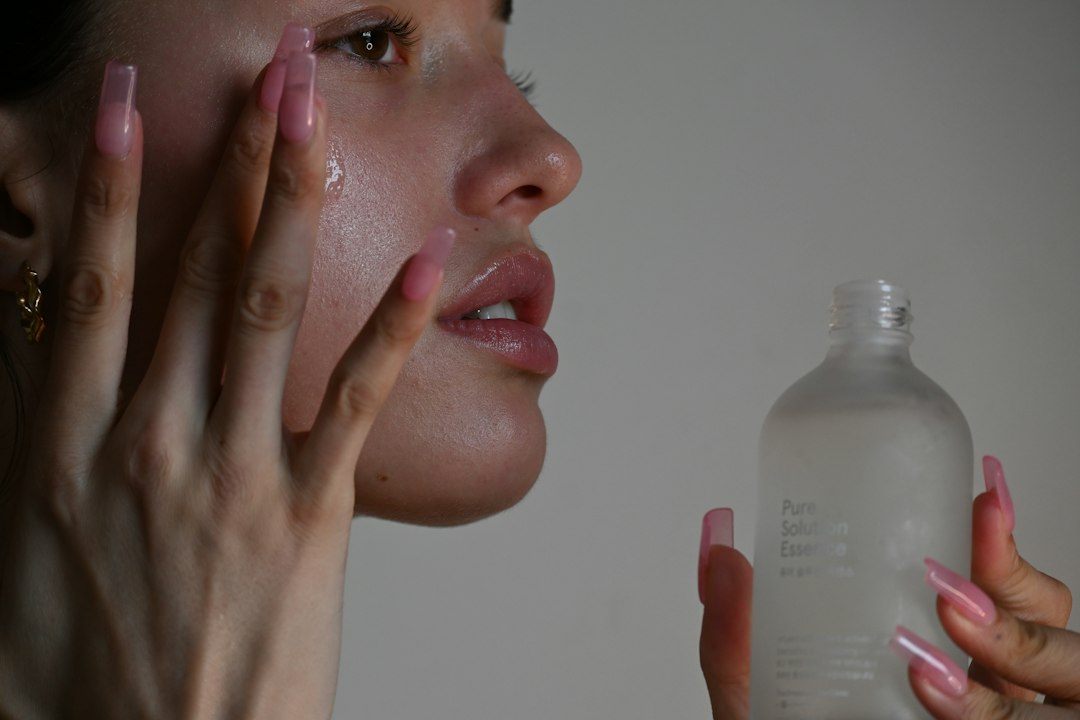
Navigating the world of exfoliants can be a minefield, especially for those with sensitive skin. The quest for smoother, brighter skin often leads to a crucial crossroads: chemical or physical exfoliation? Both methods promise a complexion refresh, but their approaches and suitability for delicate skin types diverge significantly. Understanding these differences is paramount to avoiding irritation and achieving desired results. This deep dive will dissect the intricacies of each exfoliation type, offering evidence-based insights to empower your decision-making process for 2026.
Understanding Your Sensitive Skin: The Foundation for Smart Exfoliation
Sensitive skin is characterized by a compromised skin barrier, making it more susceptible to environmental aggressors and topical ingredients. This fragility often manifests as redness, stinging, burning, or dryness. Before even considering an exfoliant, a thorough understanding of your skin’s unique triggers and baseline condition is essential. Factors like genetics, underlying skin conditions (e.g., rosacea, eczema), and even lifestyle choices contribute to skin sensitivity. Identifying what your skin tolerates and what causes adverse reactions forms the bedrock of a safe and effective exfoliation strategy. A compromised barrier means that ingredients can penetrate more deeply and rapidly, increasing the risk of irritation from even mild exfoliants. Therefore, gentleness and targeted action are not just preferences but necessities for sensitive skin types.

Chemical Exfoliants Demystified for Sensitive Skin
Chemical exfoliants work by dissolving the bonds that hold dead skin cells together, allowing them to slough off naturally. They penetrate the skin’s surface to promote cell turnover and reveal fresher, brighter skin underneath. For sensitive skin, the key lies in selecting the right type of chemical exfoliant and using it judiciously.
The Science Behind AHAs and BHAs: How They Work
Alpha-hydroxy acids (AHAs) and beta-hydroxy acids (BHAs) are the two primary categories of chemical exfoliants. AHAs, such as glycolic acid, lactic acid, and mandelic acid, are water-soluble and work on the skin’s surface. They are effective at addressing surface concerns like dullness, uneven texture, and hyperpigmentation. Glycolic acid, with its small molecular size, offers potent exfoliation but can be too harsh for very sensitive skin. Lactic acid and mandelic acid, with larger molecules, offer a gentler alternative, hydrating the skin while exfoliating.
BHAs, most notably salicylic acid, are oil-soluble. This unique property allows them to penetrate pores, dissolve sebum, and exfoliate from within. This makes BHAs particularly beneficial for those with acne-prone or congested sensitive skin. Salicylic acid also possesses anti-inflammatory properties, which can help calm redness and irritation associated with breakouts. However, even BHAs, especially in higher concentrations, can be drying and irritating for some sensitive individuals.
Top Chemical Exfoliants Tailored for Sensitivity: Recommendations
When choosing chemical exfoliants for sensitive skin, prioritize ingredients known for their gentler profiles and lower potential for irritation.
Gentle AHA Picks: Lactic Acid & Mandelic Acid Serums
Lactic acid is a stellar choice for sensitive skin due to its humectant properties, meaning it draws moisture into the skin. Its larger molecular size compared to glycolic acid ensures a slower, more controlled penetration, reducing the risk of stinging and redness. Look for serums with lactic acid concentrations between 5-10% for daily or every-other-day use. Mandelic acid, another AHA with a large molecule, is particularly well-suited for sensitive and acne-prone skin. It works effectively to exfoliate and can help with hyperpigmentation, often with a lower incidence of irritation than other AHAs. Serums featuring mandelic acid in similar concentrations (5-10%) are excellent starting points.

Calming BHA Choices: Salicylic Acid in Low Concentrations
For sensitive skin types prone to clogged pores and breakouts, a low-concentration salicylic acid product can be a game-changer. Opt for formulations with 0.5-1% salicylic acid. These concentrations are typically found in toners, cleansers, or spot treatments designed for daily or sensitive use. The key is to ensure the product is buffered or formulated with soothing ingredients to minimize potential dryness or irritation. Avoid leaving salicylic acid treatments on the skin for extended periods initially; consider a wash-off cleanser or applying for a short contact therapy (leave on for a few minutes, then rinse).
Potential Pitfalls of Chemical Exfoliants on Sensitive Skin
The primary risks associated with chemical exfoliants on sensitive skin include increased redness, stinging, peeling, dryness, and a heightened susceptibility to sun damage (photosensitivity). Over-exfoliation can severely damage the skin barrier, leading to a cycle of irritation and sensitivity. It is crucial to start with low concentrations, infrequent application (e.g., once or twice a week), and closely monitor your skin’s reaction. Always follow up with broad-spectrum sunscreen, as chemical exfoliants increase UV sensitivity.
Physical Exfoliants: Gentle Grains and Beyond for Sensitive Skin
Physical exfoliants work by manually sloughing away dead skin cells using abrasive particles or tools. While historically associated with harsh scrubs, modern formulations offer gentler options suitable for sensitive skin when chosen carefully.
The Mechanics of Physical Exfoliation: Tools and Textures
Traditional physical exfoliants often involve gritty particles like crushed nuts, seeds, or harsh sugar/salt crystals. These can cause micro-tears in the skin, leading to inflammation and irritation, especially for sensitive skin types. Modern physical exfoliants employ finely milled particles that are smooth and non-abrasive. Examples include jojoba beads, rice powder, and finely ground oats. Tools like soft facial brushes or konjac sponges, when used with a gentle touch and a mild cleanser, can also provide physical exfoliation without significant abrasion.
Best Physical Exfoliants for Sensitive Skin: Ingredient Focus
The success of physical exfoliation for sensitive skin hinges on the texture and quality of the exfoliating agent.
Micro-Fine Grains: Jojoba Beads & Rice Powders
Jojoba beads are derived from jojoba oil and are naturally smooth, spherical particles that roll over the skin without scratching. They dissolve upon contact with the skin, offering a unique, gentle exfoliation experience. Rice powder, finely milled from rice grains, provides a soft, powdery texture that buffs away dead skin cells without causing micro-tears. These ingredients, when incorporated into gentle cream or gel formulations, are excellent choices for sensitive skin seeking to improve texture and radiance.

Enzymatic Exfoliators: Fruit-Based Gentle Polishing
Often grouped with physical exfoliants due to their surface-level action, enzymatic exfoliators use fruit-derived enzymes like papain (from papaya) and bromelain (from pineapple) to break down the keratin in dead skin cells. These are exceptionally gentle as they do not rely on manual abrasion and work by dissolving dead skin, offering a polishing effect without harshness. They are a fantastic alternative for very sensitive or reactive skin types that cannot tolerate even the mildest physical or chemical exfoliants.
Risks and How to Mitigate Them with Physical Exfoliants
The main risk with physical exfoliants is over-abrasion, which can damage the skin barrier, leading to redness, sensitivity, and inflammation. The key to mitigating these risks is twofold: choose finely milled, smooth exfoliating particles, and use minimal pressure when applying the product. Avoid scrubs with large, jagged particles. Apply the exfoliant with gentle, upward circular motions, and do not scrub vigorously. Limit use to once or twice a week. Always follow with a soothing moisturizer to support barrier repair.
The Great Debate: Chemical vs. Physical Exfoliants for Sensitive Skin
The choice between chemical and physical exfoliation for sensitive skin is not a one-size-fits-all answer. It depends heavily on individual skin concerns, tolerance, and desired outcomes.
Direct Comparison: Efficacy, Irritation Potential, and Suitability
Chemical exfoliants generally offer more targeted and deeper exfoliation. AHAs are excellent for surface-level concerns like dullness and pigmentation, while BHAs excel at pore congestion and acne. Their efficacy can be very high, but so can their irritation potential, especially for sensitive skin. Gentle formulations with lower concentrations and specific ingredients (lactic, mandelic, low-salicylic acid) are crucial.
Physical exfoliants provide immediate, surface-level smoothing. They can be effective for mild texture issues and dullness. When formulated with fine, smooth particles or enzymes, their irritation potential can be lower than aggressive chemical exfoliants. However, improper technique (too much pressure, harsh particles) can lead to significant irritation and micro-tears.
| Feature | Chemical Exfoliants (for Sensitive Skin) | Physical Exfoliants (for Sensitive Skin) |
|---|---|---|
| Mechanism | Dissolve bonds between dead skin cells | Manually slough off dead skin cells |
| Depth of Action | Surface to mid-dermis (depending on type) | Surface only |
| Key Ingredients | Lactic Acid, Mandelic Acid, low-concentration Salicylic Acid | Jojoba beads, rice powder, konjac sponge, fruit enzymes (papain, bromelain) |
| Efficacy for Concerns | Dullness, hyperpigmentation, fine lines, acne, clogged pores | Surface texture, mild dullness, immediate smoothness |
| Irritation Potential | Moderate to High (depends on ingredient/concentration) | Low to Moderate (depends on particle size/technique) |
| Sun Sensitivity | Increased (requires diligent SPF use) | Minimal to None |
| Best for | Uneven tone, texture, congestion, specific concerns | General smoothing, immediate glow, those wary of chemicals |
Key Differentiators: How to Choose Your Path
Choose Chemical Exfoliants if: You have persistent concerns like hyperpigmentation, fine lines, or acne that require deeper action. You are willing to be diligent with sun protection and can tolerate mild initial sensations. You prefer a product that works passively on the skin.
Choose Physical Exfoliants if: You prioritize immediate smoothing and a brighter surface appearance. You have very reactive skin or are sensitive to the tingling or potential redness associated with acids. You prefer a more tactile, hands-on approach to your skincare. Enzymatic exfoliators are a particularly safe bet for extremely sensitive skin.
Integrating Exfoliation into Your Sensitive Skincare Routine
Regardless of the chosen method, proper integration is key to avoiding irritation.
Frequency and Best Practices for Sensitive Skin
Start slow. For both chemical and physical exfoliants, begin by using the product only once a week. Observe your skin’s reaction over several weeks. If your skin tolerates it well, you can gradually increase frequency to twice a week, or even every other day for very gentle products like low-concentration lactic acid serums. Never exfoliate compromised skin (e.g., sunburned, actively inflamed). Always follow the product instructions and avoid using multiple exfoliating products simultaneously.
Patch Testing and Introducing New Exfoliants
Always patch test a new exfoliant before applying it to your entire face. Apply a small amount to an inconspicuous area, such as behind the ear or on the inner forearm, and wait 24-48 hours to check for any adverse reactions like redness, itching, or burning. If no reaction occurs, proceed with caution on your face, starting with infrequent application.
Post-Exfoliation Care: Soothing and Hydrating
After exfoliating, your skin needs support. Apply a gentle, hydrating serum rich in ingredients like hyaluronic acid, ceramides, or centella asiatica to soothe and replenish moisture. Follow with a good moisturizer to lock in hydration and support the skin barrier. In the morning, consistent use of a broad-spectrum sunscreen with SPF 30 or higher is non-negotiable, as exfoliation increases photosensitivity.

Expert Insights and Common Misconceptions About Exfoliating Sensitive Skin
A common misconception is that sensitive skin should not be exfoliated at all. This is untrue; gentle, targeted exfoliation can actually improve barrier function over time by removing dull, dead cells and promoting healthy cell turnover. Another myth is that stinging or burning is a sign the product is “working.” For sensitive skin, any discomfort indicates irritation and potential barrier damage. Dermatologists often recommend starting with the mildest possible options—often lactic acid, mandelic acid, or gentle enzymatic exfoliants—and always prioritizing barrier support.
Making the Right Choice: Your Personalized Exfoliation Strategy for 2026
The ultimate decision rests on your skin’s specific needs and reactions. For those seeking to address persistent textural issues, hyperpigmentation, or acne with a targeted approach, gentle chemical exfoliants like lactic or mandelic acid serums, or low-concentration salicylic acid treatments, are often the superior choice when used correctly. For individuals prioritizing immediate surface smoothness and a gentler, less invasive approach, finely milled physical exfoliants or enzymatic treatments offer effective solutions without the potential drawbacks of acids.
👑 Ultimate Winner: Personalized Approach
The true winner for sensitive skin in 2026 isn’t a single category, but a personalized strategy. For targeted concerns like acne or hyperpigmentation, gentle chemical exfoliants (Lactic Acid, Mandelic Acid, low-concentration Salicylic Acid) offer depth and efficacy. For immediate surface refinement and minimal irritation risk, finely milled physical exfoliants (Jojoba Beads, Rice Powder) or enzymatic options are ideal. Always patch test, start slow (1-2 times/week), moisturize well, and apply SPF daily. Listen to your skin; its reaction dictates the best path forward.