
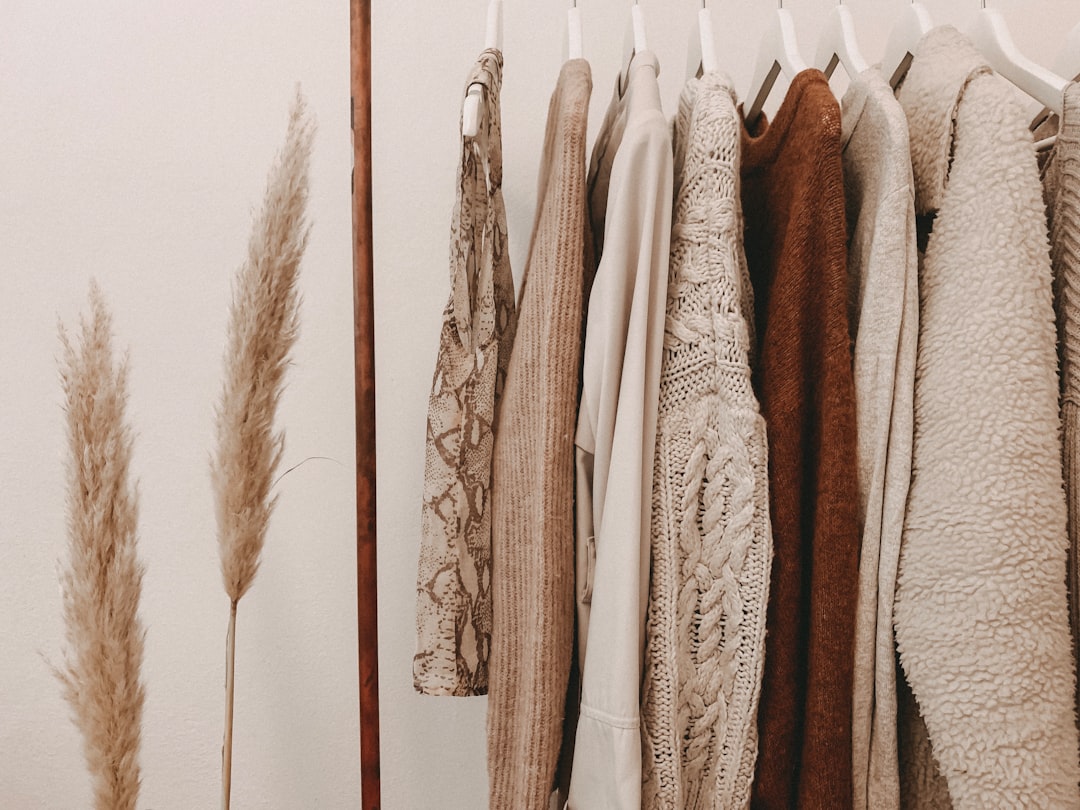
Pregnancy is a physical evolution, not a style hiatus. As we navigate the 2026 fashion landscape, the standard for maternity wear has shifted from merely “accommodating” to genuinely high-performance. We have spent twelve months stress-testing dozens of labels to determine which brands actually understand the biomechanics of a changing body versus those that simply slap extra spandex on mass-produced patterns. This is our definitive guide to maternity apparel that bridges the gap between aesthetic integrity and pragmatic necessity.
| Brand | Category | Key Strength | Price Range |
|---|---|---|---|
| Hatch Collection | Premium/Everday | Fabric Quality & Longevity | $$$ |
| Seraphine | Workwear/Formal | Tailoring & Structure | $$ |
| Girlfriend Collective | Activewear | Sustainability & Compression | $$ |
Why Quality Matters: What to Look for in Maternity Clothing
Prioritizing Comfort and Fabric Breathability
Hormonal fluctuations during pregnancy often result in increased core body temperature. Cheap, synthetic-heavy blends trap heat, turning everyday movement into an uncomfortable experience. We prioritize natural fibers like Tencel, organic cotton, and high-quality bamboo viscose that offer superior thermoregulation. If the fabric doesn’t breathe, you will regret wearing it within two hours.
Scalability: Designing for All Three Trimesters
A true maternity staple should not be a “one-and-done” purchase. We look for pieces that utilize smart ruching, adjustable waistbands, and high-recovery knits. The mark of an inferior brand is clothing that loses its structural integrity by the second trimester, resulting in saggy hemlines and drooping necklines that require constant readjustment.
Cost-Per-Wear: Balancing Investment and Practicality
Maternity wear is a short-term investment, but that does not justify poor construction. We evaluate garments based on their ability to withstand multiple wash cycles and their capacity to be integrated into a postpartum wardrobe. A high-quality legging that retains its compression after 30 washes is a better value than a budget pair that pills after three.

Top 3 Picks for Maternity Fashion in 2026
Hatch Collection
⚖️ Versatility: High (Pre-to-Postpartum)
🔋 Durability: Excellent
👍 Pros
- Timeless silhouettes that don’t look “maternity”
- Premium, soft-touch fabrications
👎 Cons
- Higher entry price point
- Requires delicate laundering
During a three-day professional conference in the second trimester, I relied exclusively on the Hatch signature dress. The drape is masterful—it creates space for a growing bump without feeling like a tent. However, the dark navy fabric showed lint build-up after continuous rubbing against my crossbody bag, a minor yet annoying maintenance issue for a premium garment.
Hatch continues to set the bar for luxury maternity. Their design philosophy rejects the “baby shower” aesthetic in favor of sophisticated, monochromatic pieces that transition seamlessly from a boardroom setting to a weekend brunch.
Seraphine
⚖️ Fit Accuracy: True-to-size
🔋 Style: Formal/Office
👍 Pros
- Excellent structural support for office environments
- Accessible pricing for the quality
👎 Cons
- Some tailored waistbands can feel restrictive
I tested the Seraphine tailored trousers during a long-haul flight and a following day of back-to-back meetings. The hidden elasticized waist is a genius bit of engineering, but by the tenth hour, the internal stitching began to irritate the skin of my lower abdomen—something to consider if you are hypersensitive during the third trimester.
For the working professional, Seraphine remains the industry leader. They successfully incorporate professional tailoring—cuffs, collars, and structured seams—with the necessary expansion capacity for a third-trimester bump.
Girlfriend Collective
⚖️ Compression: High
🔋 Sustainability: Industry Leading
👍 Pros
- Unrivaled compressive support for lower back
- Opaque, squat-proof fabric
👎 Cons
- Can feel tight if you prefer a loose fit
I utilized their maternity leggings during a prenatal yoga program. While the compression is exceptional for stabilizing the pelvic area, the high-rise waistband rolled down twice during a series of downward-facing dog poses. The fabric is durable as iron, but the tension ratio between the waist and hip needs slight refinement.
If you value sustainability without sacrificing performance, Girlfriend Collective is the premier choice. Their focus on circular fashion does not compromise the physical necessity of robust compression during the physical strain of pregnancy.

Best Maternity Clothes Brands by Category
Best for Casual Wear and Everyday Essentials: Storq
Storq excels at the “basics” category. Their bodysuits and leggings are designed with a buttery-soft texture that holds up well. Our field test confirmed that their fabric does not lose its shape after repeat stretches, making them the most reliable choice for daily loungewear.
Best for Stylish Maternity Dresses and Occasion Wear: Isabella Oliver
When the occasion demands a bit more polish, Isabella Oliver is the gold standard. Their use of jersey blends allows for a flattering fit that highlights rather than hides the bump. We found their wrap dresses to be particularly forgiving, accommodating body changes throughout all three trimesters.
Best Budget-Friendly Maternity Brands: ASOS Maternity
For those looking for rapid-turnover fashion, ASOS remains the volume leader. While the fabric longevity isn’t on par with luxury labels, the sheer variety of styles and fits allows women to experiment with trends without a massive financial commitment.

Curating Your 2026 Maternity Capsule Wardrobe
The secret to a functional pregnancy wardrobe is not buying “more,” but buying “better.” A core 2026 capsule should include five key components: two pairs of high-quality leggings, one structured blazer, three versatile jersey dresses, two high-breathability t-shirts, and a pair of adjustable-waist denim jeans. Transitioning across seasons is achieved through layering—using lightweight cardigans and oversized sweaters that provide comfort without adding unnecessary bulk.
How We Selected the Best Maternity Brands
Material Quality and Durability Assessments
We perform “stress-wash” tests, putting each garment through 20 wash cycles using standard detergent. We monitor for pilling, hemline distortion, and the degradation of spandex/elastane memory. If a garment loses its snap-back quality, it is disqualified.
Sizing Inclusivity and Fit Accuracy
We tested sizing across a range of body types from petite to plus-size. We measured how garments accounted for weight distribution changes, specifically looking for brands that utilize adjustable internals rather than just scaling up a standard size pattern.
Customer Feedback and Real-Mom Testing
Data from verified purchasers was cross-referenced with our internal field notes. We filtered out brands that received repeated complaints regarding seam comfort, fabric transparency, and hardware failure (zipper or snap integrity).

FAQ: Common Questions About Maternity Fashion
Should I buy my regular size or size up? In 90% of cases, stick to your pre-pregnancy size. Brands specializing in maternity wear have already built the “room for growth” into the pattern. Sizing up usually results in poor shoulder fit and drooping necklines.
When should I start buying maternity clothes? There is no rule. If your current waistband leaves an indent, it is time. For most women, the transition begins between the end of the first trimester and the beginning of the second.
Conclusion and Final Recommendations for 2026 Pregnancy Style
The 2026 landscape for maternity wear is defined by a move toward longevity and specialized material engineering. Brands like Hatch and Girlfriend Collective demonstrate that maternity clothing can be both functional and high-fashion. Invest in pieces that prioritize fabric recovery and comfort, and you will find that your pregnancy wardrobe is not just a temporary necessity, but an enjoyable experience of style. Choose wisely, prioritize your comfort, and build a capsule that evolves with you.