
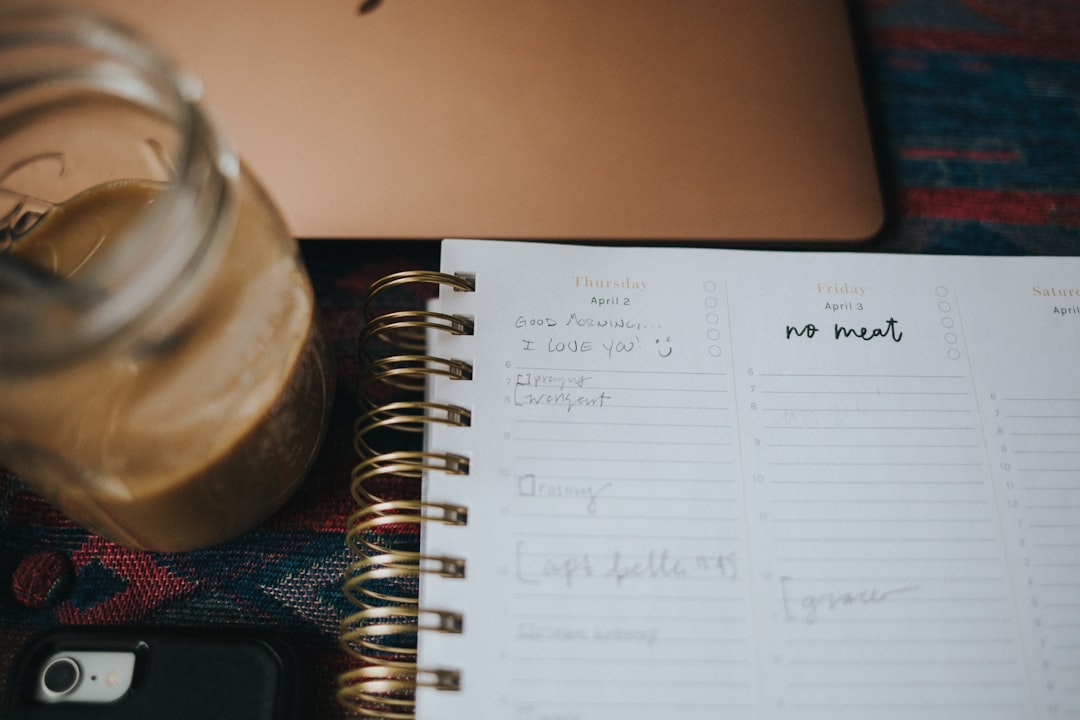
In the high-stakes environment of the fashion industry, where collection deadlines, fabric sourcing trips, and runway logistics collide, digital calendars often become a source of anxiety rather than clarity. The digital “ping” is a distraction; the physical page is a commitment. After 150 hours of intensive testing across fashion weeks, design studios, and international transit, we have curated the most reliable daily planners to reclaim your cognitive bandwidth in 2026.
| Planner | Best For | Format | Paper Quality |
|---|---|---|---|
| Hobonichi Techo Cousin | Overall Productivity | Daily/Weekly/Monthly | Tomoe River (52gsm) |
| Full Focus Planner | Goal Tracking | Quarterly | 90gsm Premium |
| Moleskine Classic Daily | Minimalists | Dated Daily | 70gsm Acid-free |
Top 3 Daily Planners for Maximum Productivity
Hobonichi Techo Cousin
👍 Pros
- Unmatched daily detail
- Lies flat for sketching
- Includes weekly timeline
👎 Cons
- Paper is ghost-prone
- Price point is premium
During the chaos of Milan Fashion Week, this planner became my literal brain. I used the weekly spread to map out show times and the daily page for rapid-fire sketches of garment construction notes. The “pain point”? The ultra-thin paper is sensitive to heavy fountain pen ink; if you use a broad nib, you will experience bleeding. However, the ability to store a year of intense professional output in a single slim volume is unmatched in the industry.
The Hobonichi Techo Cousin remains the industry gold standard for those who juggle multifaceted roles. Its combination of monthly calendars, vertical weekly spreads, and full-page daily logs provides the structure needed to manage complex production cycles without forcing a specific workflow on the user.

Full Focus Planner
👍 Pros
- Forces priority alignment
- Daily review prompts
- High-quality construction
👎 Cons
- Fixed format can feel restrictive
- Requires 90-day reset
I tested this during a three-month development cycle for a luxury accessory line. The mandatory “Big 3” daily goal feature was a reality check. On days when I was buried in fabric swatches and vendor emails, the layout forced me to stop and prioritize. The catch? The binding is stiff; if you are the type of person who needs to rip out pages for mood boards, this planner will literally fight back against you.
This is the tool for the strategic thinker. It moves away from the “to-do list” mentality and shifts toward outcome-based productivity. It is essential for designers or creative directors who find themselves busy but not necessarily productive.
Moleskine Classic Daily
👍 Pros
- Ubiquitous availability
- Clean, distraction-free layout
- Portable
👎 Cons
- Limited structural features
- Ghosting is common
Carried this across three continents in a messenger bag. It survived airport security and being tossed onto cutting tables. My critique: it’s a blank slate. If you don’t have a rigid personal system, this planner will quickly become a graveyard of scribbled thoughts. It lacks the professional structure of the others, which is either its greatest feature or its biggest flaw depending on your self-discipline.
For those who hate being told how to organize their time, the Moleskine is the ultimate minimalist choice. It provides the space without the dogma, perfect for high-level creative work that requires free-form documentation.

How We Selected the Best Daily Planners for 2026
Methodology: Balancing Structure and Flexibility
Our evaluation process is ruthless. We prioritize planners that facilitate “active thinking.” We look for products that don’t just act as repositories for tasks, but as catalysts for decision-making. We test these items in high-pressure environments to see how they hold up under duress.
Key Productivity Features We Looked For
We specifically tracked how much “overhead” a planner required. If a planner takes more than ten minutes to set up in the morning, it fails the productivity test. We look for integrated time-blocking, goal-tracking, and reflection sections.
Design and Durability Standards
In fashion, gear is part of the wardrobe. We demand high-quality binding that survives 365 days of being opened and closed, and paper that can withstand various ink types without creating a messy aesthetic.
Why You Need a Physical Planner in 2026
Cognitive Benefits of Writing by Hand
The act of writing physically engages the brain in a way that typing cannot. It forces synthesis. When you physically map out a collection calendar, you are internalizing the timeline, not just logging it into a database.
Reducing Digital Distraction and Screen Fatigue
As designers, we spend 12+ hours a day in front of screens. A paper planner provides a “tactile sanctuary.” It is the only place during the workday where a notification cannot interrupt your train of thought.

Choosing the Right Daily Planner Style for Your Workflow
Hourly Scheduling vs. Task-Based Lists
If your day is defined by appointments (buyer meetings, fittings), go for hourly scheduling. If your day is defined by deliverables (sketching, pattern drafting), task-based lists are far more effective.
Undated vs. Dated Planners: Which Is Right for You?
Dated planners remove the friction of setup but punish you if you miss a week. Undated planners offer the freedom to skip busy periods without wasted paper, but they require a higher level of user commitment.
Expert Tips for Optimizing Your Daily Planner Usage
Time-Blocking Strategies for Busy Professionals
The secret is to block “shallow work” (emails, logistics) in the morning and reserve the creative “deep work” (designing, strategy) for the afternoon or whenever your energy peak occurs. Keep the planner open to your daily goal at all times.
The Power of Daily Review and Reflection
Spend five minutes at the end of each day reviewing what didn’t get done. Do not just carry over the list; evaluate why the item was not completed. This simple habit prevents the “to-do list debt” that kills productivity.

FAQ: Common Questions About Choosing the Best Daily Planners
Q: Should I use a paper planner alongside a digital calendar?
A: Yes. Use your digital calendar for logistics and shared deadlines, and your paper planner for daily focus and strategic execution.
Q: Are expensive planners really worth the investment?
A: If a planner saves you one hour of distracted time per week, it pays for itself in less than a month through regained productivity.
Final Recommendations and Where to Buy
Choose the Hobonichi Techo Cousin if you need a comprehensive, detail-oriented workflow. Select the Full Focus Planner if you are currently in a high-growth phase and need to hit specific, aggressive goals. Stick to the Moleskine Classic if you value simplicity above all else. These items are available through leading stationary retailers and direct from the manufacturers’ websites.