
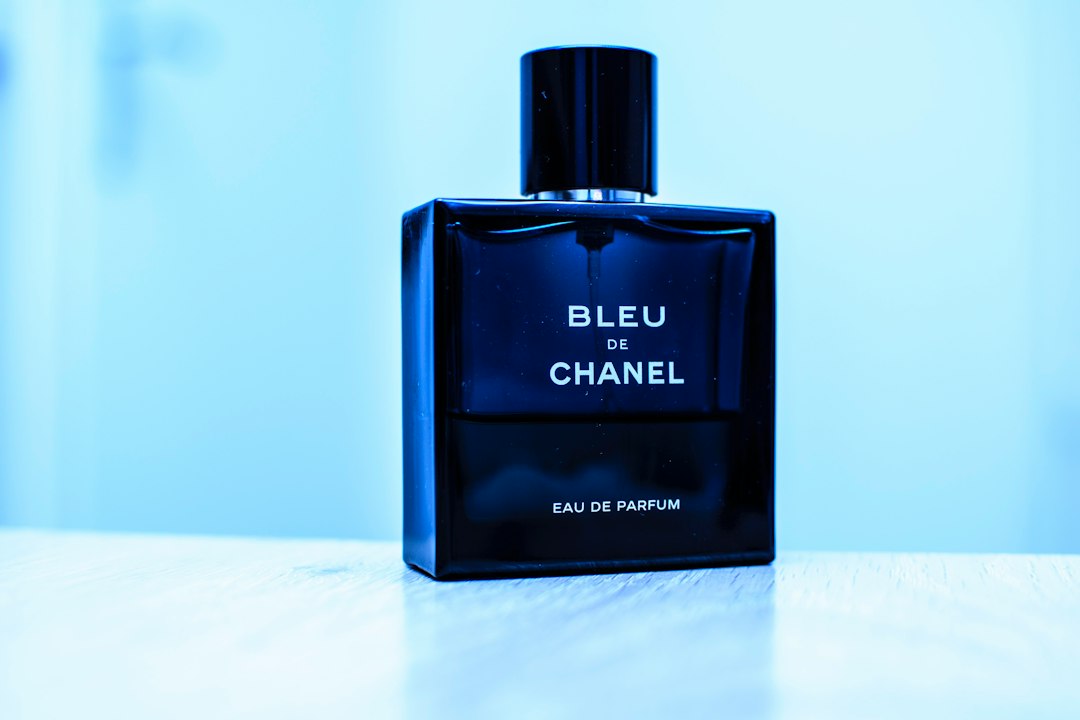
The world of fragrance can be a labyrinth of technical terms and subtle distinctions. Among the most common points of confusion for consumers are the differences between Eau De Parfum (EDP) and Eau De Toilette (EDT). While both are popular fragrance concentrations, understanding their distinct characteristics is crucial for making an informed purchase and ensuring your chosen scent performs optimally. This comprehensive guide will dissect these differences, empowering you to navigate the fragrance counter with confidence and select the perfect scent for any occasion.
The Scent Pyramid: Understanding Concentration and Longevity
At its core, the distinction between EDP and EDT lies in their concentration of fragrance oils. This concentration directly impacts how long the scent lasts on the skin, its intensity, and its overall projection. Think of fragrance concentration as the purity and power of the aromatic compounds within the alcohol and water base.
Eau De Parfum (EDP): Richness and Staying Power
Eau De Parfum boasts a higher concentration of fragrance oils, typically ranging from 15% to 20%, and sometimes even higher. This elevated oil content translates to a richer, more complex, and longer-lasting scent experience. The oils are more potent, allowing the fragrance to linger on the skin for an extended period, often 6 to 8 hours, or even more, depending on the specific formulation and individual body chemistry.

The higher concentration means that fewer sprays are generally needed to achieve a noticeable and enduring scent. This also contributes to a more profound aromatic experience, with the top, middle, and base notes of the fragrance developing and evolving more noticeably over time. The complexity and depth are often more pronounced in EDP formulations, making them a preferred choice for those seeking a sophisticated and lasting signature scent.
Eau De Toilette (EDT): Lightness and Everyday Appeal
Eau De Toilette typically contains a lower concentration of fragrance oils, usually between 5% and 15%. This results in a lighter, fresher, and less intense scent compared to EDP. The longevity of an EDT is generally shorter, often lasting around 3 to 5 hours. This makes it an excellent option for daily wear, warmer climates, or for individuals who prefer a more subtle olfactory presence.

The lighter concentration in EDT means that the initial burst of fragrance might be more pronounced, but the scent may fade more quickly, with the base notes being less dominant. This characteristic makes EDTs ideal for situations where a strong, overpowering scent might be inappropriate, such as in an office environment or during casual daytime activities. They offer a pleasant aroma without being intrusive, providing a refreshing lift throughout the day.
Decoding the Notes: How Ingredients Define Each Type
The concentration of oils in EDP and EDT doesn’t just affect longevity; it also influences how the fragrance’s notes (the individual aromatic components) are perceived and how they interact with each other. The structure of a fragrance is often described using a scent pyramid, with top, middle, and base notes.
Exploring Common Fragrance Families in EDP and EDT
Both EDP and EDT formulations can encompass a wide array of fragrance families, including floral, oriental, woody, and fresh. The difference lies in how these families are expressed at different concentrations. For instance, a floral scent might present as a bold bouquet in an EDP, with a greater emphasis on the richer, more opulent floral notes. In an EDT, the same floral theme might be interpreted with lighter, airier blossoms, perhaps with a more pronounced citrus or green opening.
| Feature | Eau De Parfum (EDP) | Eau De Toilette (EDT) |
|---|---|---|
| Oil Concentration | 15-20% (or higher) | 5-15% |
| Longevity | 6-8+ hours | 3-5 hours |
| Intensity | Higher, richer | Moderate, lighter |
| Projection (Sillage) | Stronger, more noticeable | Moderate, more subtle |
| Ideal Use | Evening, special occasions, cooler weather | Daytime, casual wear, warmer weather |
| Price | Generally higher | Generally lower |
The Art of the Blend: How Different Notes Perform in Each Concentration
In an EDP, the base notes, which are typically richer and more tenacious (like woods, resins, and musks), often play a more significant role and are more perceptible for a longer duration. The heart notes (florals, spices) can also be more rounded and complex. The top notes (citrus, light fruits), while still present, might be less dominant in the initial impression compared to an EDT, where they often provide a bright, immediate burst.
Conversely, an EDT often emphasizes the top and middle notes more prominently. The brighter, more volatile citrus and green notes in the opening can be more vibrant, and the heart notes may feel fresher and less dense. The base notes, while still contributing to the overall structure, might be more subdued and fade faster. This makes EDTs feel more immediate and refreshing, perfect for a quick scent uplift.
Performance on Skin: Longevity, Sillage, and Projection in 2026
When it comes to how a fragrance behaves once applied, the concentration of EDP and EDT leads to distinct differences in longevity, sillage (the scent trail left behind), and projection (how far the scent radiates from the skin).
Real-World Wear Tests: How Long Do EDP and EDT Actually Last?
While the general guidelines for longevity are 6-8+ hours for EDP and 3-5 hours for EDT, real-world performance can vary significantly based on individual skin chemistry, environmental factors (temperature, humidity), and application technique. However, consistently, EDP formulations are designed to last longer. The higher oil content binds more effectively to the skin, releasing its aroma more gradually over time.

EDTs, with their lower oil concentration, tend to evaporate more quickly. This doesn’t mean they are inferior; rather, they offer a different scent experience—one that is often more fleeting and perhaps more suited for shorter durations or for those who prefer to reapply throughout the day.
Sillage and Projection: Making Your Scent Statement
The sillage and projection of a fragrance are often directly correlated with its oil concentration. An Eau De Parfum, with its richer oil blend, generally exhibits stronger sillage and projection. This means the scent travels further and creates a more noticeable aura around the wearer. This can be desirable for making a statement, especially in social or evening settings.
An Eau De Toilette typically has more moderate sillage and projection. The scent is still perceptible, but it remains closer to the skin. This subtlety is often preferred for professional environments, casual daytime wear, or for individuals who do not wish their fragrance to be the primary focus of their presence. The artful balance of notes in an EDT allows for a pleasant, personal scent bubble without overwhelming those nearby.
Choosing Your Signature Scent: EDP vs. EDT for Every Occasion
The decision between an EDP and an EDT often boils down to the intended occasion, the season, and personal preference. Understanding the nuances of each concentration can help you make the perfect choice.
Daytime Delights: When to Opt for Eau De Toilette
For daily activities, especially during the day and in warmer months, Eau De Toilette is often the preferred choice. Its lighter, fresher character is less likely to feel heavy or cloying in the heat. An EDT can provide a refreshing scent that enhances your presence without being overpowering, making it ideal for office wear, casual outings, and everyday errands.

The quick-evaporating nature of EDTs means that they can be reapplied easily if desired, offering a renewed sense of freshness. Their subtle projection is also well-suited for environments where strong scents might be unwelcome, ensuring a pleasant experience for both the wearer and those around them.
Evening Elegance: Why Eau De Parfum Reigns Supreme
As the day transitions into evening, or for special occasions, Eau De Parfum often takes center stage. Its richer, more complex profile, deeper base notes, and longer-lasting power are perfectly suited for sophisticated settings. An EDP can create a more memorable and alluring scent impression, lingering throughout an event or a romantic dinner.
The intensity of an EDP allows it to cut through the ambient noise of a bustling restaurant or a formal gathering, ensuring your chosen fragrance is noticed and appreciated. It provides a sense of luxury and depth that is often associated with evening wear and formal attire.
Seasonal Selections: Tailoring Your Choice to the Climate
Seasonality plays a significant role in fragrance choice. In spring and summer, lighter, fresher scents tend to be more appealing. This is where Eau De Toilette often shines, with its emphasis on bright citrus, aquatic, and light floral notes. The lower concentration prevents these scents from becoming too heavy in the heat.
In autumn and winter, when the air is cooler, richer, and warmer scents become more desirable. Eau De Parfum, with its deeper spice, wood, amber, and gourmand notes, is exceptionally well-suited for these colder months. The higher oil concentration allows these opulent notes to develop fully and provide a comforting, enveloping aroma.
Beyond the Basics: Other Fragrance Concentrations to Know
While EDP and EDT are the most common, the world of fragrance encompasses other concentrations, each offering a unique scent experience.
Parfum (Extrait): The Ultimate Intensity
Parfum, also known as Extrait de Parfum, represents the highest concentration of fragrance oils, typically ranging from 20% to 40% or even higher. This makes it the most potent and longest-lasting type of fragrance, often enduring for 8 hours or more, sometimes even a full day. Parfum is characterized by its extreme richness, depth, and complexity, with base notes often dominating the scent profile.
Parfum (Extrait)
- Pros: Unmatched longevity and intensity, richest and most complex scent profile, requires minimal application.
- Cons: Highest price point, can be overwhelming if over-applied, less common than EDP/EDT.
Due to its intensity and high cost, Parfum is usually reserved for special occasions or for those who desire the most profound and enduring fragrance experience. A single spray is often sufficient.
Eau De Cologne (EDC) and Eau Fraiche: Lighter, Brighter Options
Eau De Cologne (EDC) traditionally has a very low concentration of fragrance oils, typically 2% to 5%. They are known for their light, refreshing, and often citrus-forward profiles. Their longevity is quite short, usually only 1 to 2 hours. Historically, Eau de Cologne was an invigorating scent meant for frequent application.
Eau Fraiche is even lighter, with an oil concentration of 1% to 3%. These are typically very diluted and offer a subtle hint of fragrance, often with a high water content. They are the most fleeting of all fragrance types, designed for a quick, refreshing lift rather than lasting power.
Navigating the Market: Price, Packaging, and Value in 2026
The price of a fragrance is often a key consideration, and it’s closely linked to its concentration, the quality of ingredients, and the complexity of the formulation.
The Price Tag Truth: Why EDP Often Costs More
Generally, Eau De Parfum is more expensive than Eau De Toilette. This price difference is directly attributable to the higher percentage of concentrated fragrance oils. These oils are often the most costly components of a fragrance, and their higher proportion in EDP formulations naturally drives up the production cost and, consequently, the retail price.
Furthermore, EDPs often feature more intricate and higher-quality perfume compositions, utilizing rarer or more precious aromatic ingredients. The packaging and branding also play a role, with premium bottles and elaborate designs contributing to the overall cost.
Investment vs. Impulse: Getting the Best Value for Your Fragrance Dollar
When considering value, it’s important to look beyond the initial price tag. While an EDT might be more affordable upfront, its shorter longevity means you may need to reapply more frequently or repurchase it sooner than an EDP.
An EDP, despite its higher initial cost, can offer better value over time due to its superior longevity. A single application of EDP can last an entire day, meaning you use less product overall. For those seeking a sophisticated, long-lasting signature scent, investing in an EDP can be more economical in the long run and provide a more consistent and evolving fragrance experience.
| Metric | Eau De Parfum (EDP) | Eau De Toilette (EDT) |
|---|---|---|
| Initial Cost | Higher | Lower |
| Cost per Hour of Wear (Estimated) | Potentially Lower | Potentially Higher |
| Frequency of Reapplication | Low | High |
| Perceived Value (Longevity & Complexity) | High | Moderate |
Expert Insights: Top Tips for Selecting and Applying Your Scent
Making the right choice and applying fragrance effectively can significantly enhance your scent experience.
Application Techniques for Maximum Impact
The way you apply fragrance can influence its longevity and projection. For both EDP and EDT, applying to pulse points is key. These areas, such as the wrists, neck, behind the ears, and inner elbows, generate body heat, which helps to diffuse the fragrance throughout the day. Avoid rubbing your wrists together after spraying, as this can break down the scent molecules and reduce longevity.
For EDPs, a lighter application might suffice due to their potency. For EDTs, you might consider applying to slightly more areas or reapplying midday if needed. Some prefer to spray fragrance onto their hair or clothing, though be mindful that alcohol in fragrances can potentially damage certain fabrics.
Common Misconceptions About Fragrance Performance
One common misconception is that a strong initial scent guarantees long-lasting power. In reality, the opening notes (top notes) of a fragrance often dissipate the quickest. A fragrance that smells overwhelmingly strong upon initial application might not necessarily last the longest. Conversely, a subtle opening could lead to a surprisingly enduring and complex dry-down, especially with EDPs.
Another misconception is that all fragrances of the same concentration perform identically. Factors like the specific ingredients used, their quality, and the perfumer’s skill play a massive role. A well-crafted EDT can sometimes outperform a poorly made EDP in terms of scent appeal and even a degree of longevity, although the fundamental concentration difference remains.
Case Studies: Iconic Fragrances and Their EDP/EDT Variations
Examining popular fragrances available in both EDP and EDT formats can vividly illustrate the differences in performance and character.
Dior Sauvage: Exploring the EDP and EDT Spectrum
Dior Sauvage is a prime example of a modern fragrance offered in multiple concentrations. The Sauvage EDT is renowned for its fresh, vibrant, and zesty opening, driven by bergamot and Sichuan pepper, making it a popular choice for daily wear. Its projection is strong, and it leaves a noticeable trail.
The Sauvage EDP, however, offers a deeper, richer, and more mature interpretation. It retains the core DNA but introduces notes like ambroxan and vanilla more prominently, giving it a warmer, spicier, and more sensual dry-down. The EDP is generally perceived as having superior longevity and a more rounded, less sharp profile than the EDT, making it a strong contender for evenings or cooler weather.
Dior Sauvage Comparison
- EDT: Brighter, fresher, more citrus-forward, excellent for daytime and warmer weather, strong projection.
- EDP: Deeper, richer, warmer, more pronounced vanilla and ambroxan, better longevity for evenings and cooler weather, smoother profile.
Chanel No. 5: A Classic Reimagined in Different Concentrations
Chanel No. 5, an icon of perfumery, exists in various concentrations, showcasing how the brand interprets its classic aldehydic-floral structure. The original Eau de Parfum (often referred to as Chanel N°5 Eau de Parfum) presents a richer, more opulent version of the scent, with aldehydes still prominent but balanced by a warmer, more sensual floral heart and a sophisticated woody base. It offers substantial longevity.
The Chanel N°5 Eau de Toilette, on the other hand, is typically lighter and airier. The aldehydes might feel sharper, and the floral notes, while present, may appear more delicate. It’s a beautiful, albeit less intense and shorter-lived, rendition suitable for daytime wear for those who adore the N°5 essence but prefer a subtler presence.
Yves Saint Laurent La Nuit de L’Homme: Performance Differences
Yves Saint Laurent’s La Nuit de L’Homme is another fragrance where the EDP and EDT variations offer distinct experiences. The EDT is celebrated for its cardamom-spiced, fresh, and slightly sweet aroma, making it a popular choice for date nights and social gatherings. It has good projection and a seductive appeal.
The La Nuit de L’Homme EDP often emphasizes the deeper, darker facets of the fragrance. While still retaining the signature cardamom, it may introduce richer notes like iris or woody accords, leading to a smoother, potentially more robust, and longer-lasting scent profile. Users often report better performance and a more intense aromatic experience from the EDP version.
👑 Ultimate Winner: It Depends
The “Ultimate Winner” between Eau De Parfum and Eau De Toilette is not absolute but depends entirely on individual needs, preferences, and the context of use. Eau De Parfum excels in longevity, richness, and depth, making it ideal for evenings, special occasions, and cooler climates where a powerful, enduring scent is desired. Eau De Toilette offers a lighter, fresher, and more accessible fragrance experience, perfect for daytime, warmer weather, professional settings, or for those who prefer a more subtle personal scent bubble. Both offer distinct, valuable olfactory experiences, and the best choice is the one that aligns with your specific lifestyle and desired scent impact.