
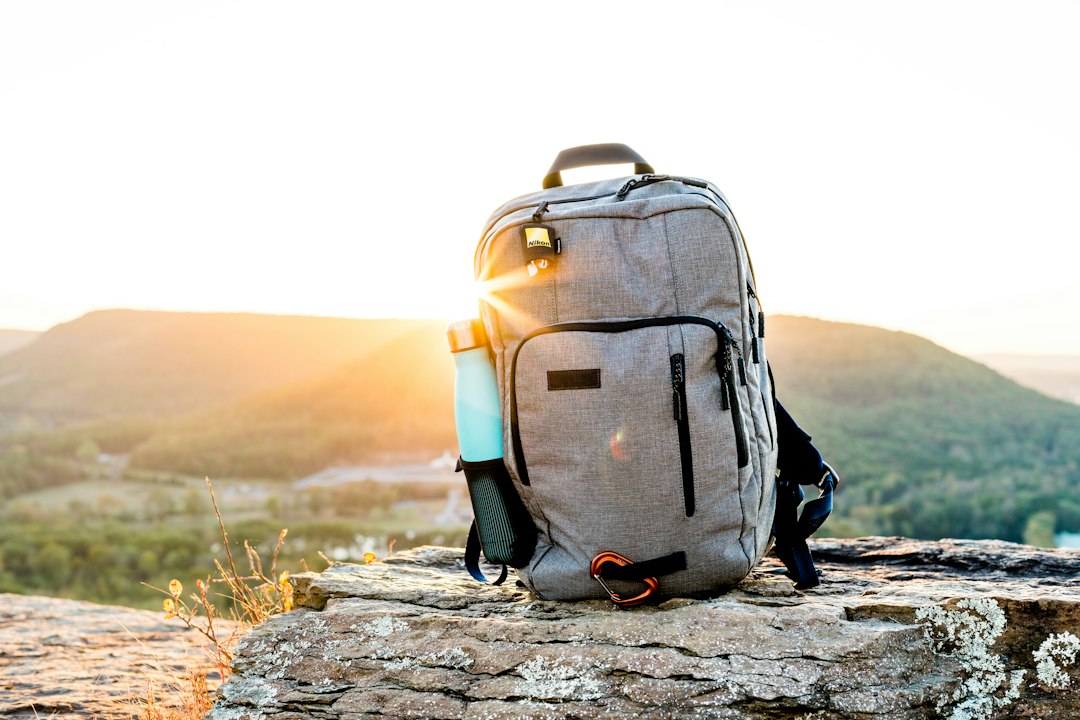
🧰 Tools & Gear You’ll Need
- A compliant carry-on backpack (check airline dimensions for 2026)
- Packing cubes or compression sacks
- Travel-sized toiletries
- Versatile clothing items (capsule wardrobe principles)
- Universal travel adapter
- Portable power bank
- Lightweight, quick-drying towel (optional)
- Reusable water bottle
- Digital copies of important documents
Why Master Carry-On Only Travel? The 2026 Advantage
Tired of wrestling with oversized luggage, shelling out for checked bag fees, and praying your bag arrives at your destination? Traveling light with just a carry-on backpack isn’t just a trend; it’s a strategic advantage for the modern traveler in 2026. It’s about reclaiming your time, budget, and freedom. This isn’t about deprivation; it’s about smart, efficient travel that enhances your entire journey.
Escaping Checked Bag Fees and Delays
Let’s face it, checked bag fees are a significant, often frustrating, expense. For frequent flyers, these costs can add up dramatically over a year. Beyond the financial drain, the risk of lost, delayed, or damaged luggage is a constant headache. By mastering carry-on only travel, you bypass the baggage carousel entirely, saving money and eliminating the stress associated with checked baggage. Imagine landing and walking straight out of the airport, ready to explore, rather than waiting anxiously for your bag to appear.
Maximizing Mobility and Spontaneity
The true magic of carry-on travel lies in its ability to unlock unparalleled mobility and spontaneity. With a single, manageable backpack, you can navigate bustling city streets, hop on and off public transport with ease, and even change your itinerary on a whim without being burdened by heavy luggage. This freedom allows for more authentic travel experiences – the ability to spontaneously decide to visit that hidden gem off the beaten path, or to catch an earlier train, becomes a reality, not a logistical nightmare.

The Environmental Impact of Lighter Travel
Choosing to travel light is also a conscious decision with a positive environmental impact. Lighter planes require less fuel, directly reducing carbon emissions. Every piece of luggage not checked in contributes to a smaller overall carbon footprint for air travel. In 2026, as environmental consciousness grows, making the switch to carry-on only travel aligns your wanderlust with a more sustainable approach to exploration.
Choosing the Right Carry-On Backpack: Beyond the Hype
Selecting the correct carry-on backpack is the cornerstone of successful light travel. It’s not about the brand name or the flashy features; it’s about finding a bag that seamlessly integrates with airline regulations, your travel style, and your packing needs. This decision is critical and warrants careful consideration.
Optimal Dimensions and Airline Compliance (2026 Regulations)
Airline carry-on size restrictions are notoriously varied and can change. For 2026, it’s crucial to research the *specific* dimensions allowed by the airlines you’ll be flying most frequently. Generally, most major airlines adhere to a maximum size of roughly 22 x 14 x 9 inches (55 x 35 x 23 cm), but always double-check. Look for backpacks explicitly marketed as carry-on compliant. Pay attention to the bag’s total volume, usually measured in liters (aim for 35-45 liters for maximum efficiency without overpacking).
Durability and Material Matters: Withstanding the Journey
Your carry-on backpack will be your constant companion, subjected to the rigors of travel. Invest in durability. Look for robust materials like high-denier nylon (e.g., Cordura, Ballistic Nylon) or strong polyester. Reinforced stitching, sturdy zippers (YKK are a gold standard), and water-resistant coatings are essential features. A well-built backpack not only protects your belongings but also ensures longevity, saving you money on replacements in the long run.
Organization Features That Make or Break Your Trip
A disorganized backpack is the fastest route to travel chaos. Seek out bags with smart organizational features. Key elements include: multiple compartments for easy access, padded laptop sleeves, internal pockets for smaller items, external water bottle holders, and crucially, clamshell or suitcase-style openings that allow you to lay the bag flat and access items easily, rather than digging from the top down.

Top Carry-On Backpack Brands and Models for 2026: Expert Picks
While specific models evolve, certain brands consistently deliver quality carry-on solutions. For 2026, consider established names known for durability and thoughtful design like Osprey (Farpoint/Fairview series), Tortuga (Setout/Latitude), Peak Design (Travel Backpack), AER (Travel Pack), and Cotopaxi (Allpa). Research current iterations of these models, paying attention to updated features and materials. Reading reviews from seasoned travelers is key to identifying the best fit for your needs.
The Art of Minimalist Packing: What to Bring and What to Leave
The philosophy behind carry-on only travel is ruthless prioritization. It forces you to question every item: “Do I truly need this?” The goal is to pack versatile items that serve multiple purposes, creating a functional and adaptable wardrobe and kit.
Capsule Wardrobe Strategies for Carry-On Success
A capsule wardrobe is a curated collection of essential items that can be mixed and matched to create numerous outfits. The key is choosing neutral colors that complement each other. For a week-long trip, consider packing: 2-3 versatile bottoms (jeans, travel pants, skirt), 4-5 tops (t-shirts, button-down shirt, versatile sweater), 1-2 layering pieces (light jacket, fleece), and enough underwear/socks for the duration or for a couple of washes. Think about the climate and activities planned.
Versatile Clothing: The Foundation of Light Travel
Every clothing item should earn its place. Opt for fabrics that are lightweight, quick-drying, wrinkle-resistant, and comfortable. Merino wool is excellent for base layers and socks due to its temperature-regulating and odor-resistant properties. Technical fabrics in pants and shirts offer similar benefits. A single pair of comfortable walking shoes is usually sufficient, supplemented by lighter sandals or flats if necessary.
Essential Toiletries: Travel-Size and Multi-Purpose
Decant your favorite toiletries into travel-sized (under 100ml/3.4oz) reusable containers. Consider multi-purpose products: a shampoo bar that works for hair and body, or a tinted moisturizer with SPF. Solid toiletries (deodorant, toothpaste tablets) eliminate the risk of liquid spills and often last longer. Don’t forget a small first-aid kit with essentials like band-aids, pain relievers, and any personal prescriptions.
Tech and Gadgets: Powering Your Journey Smartly
Pare down your tech to the essentials. A smartphone handles most needs: navigation, communication, entertainment, and camera. A lightweight tablet or e-reader can be useful for extended trips. Pack a universal travel adapter with USB ports to charge multiple devices. A portable power bank is crucial for staying connected on the go, especially during long travel days or in areas with limited charging access. Avoid bringing unnecessary chargers or bulky equipment.
The “One In, One Out” Rule: Maintaining Minimalism
Once you’ve packed, stick to the “one in, one out” rule. If you buy a souvenir or a new clothing item during your trip, an old item must be donated, discarded, or mailed home. This prevents your carefully curated minimalist pack from ballooning into an overstuffed bag by the end of your journey.

Packing Techniques for Maximum Space Efficiency
How you pack is as important as what you pack. Employing smart packing techniques can unlock surprising amounts of space within your carry-on backpack.
Rolling vs. Folding: Which Method Saves More Space?
The debate continues, but generally, rolling your clothes is more space-efficient and helps minimize wrinkles compared to traditional folding. Tightly rolling items like t-shirts, pants, and dresses can compress them significantly. For bulkier items like sweaters or jackets, folding might be more practical. Experiment to see what works Best for your specific clothing items.
Compression Sacks and Packing Cubes: Your Space-Saving Allies
Packing cubes are game-changers for organization and compression. They compartmentalize your belongings, making it easy to find specific items without unpacking everything. Compression sacks take it a step further by allowing you to expel air, significantly reducing the volume of soft items like sweaters and jackets. Use them strategically for bulky items.
Organize with Packing Cubes
Group similar items together in packing cubes (e.g., tops in one, bottoms in another, underwear/socks in a third). This not only saves space but makes finding what you need incredibly efficient.
Employ Compression Sacks for Bulky Items
If packing items like sweaters or a puffer jacket, use a compression sack. Roll the item tightly, place it in the sack, and then slowly seal it while pressing out as much air as possible.
Utilize the Rolling Method for Most Clothing
Tightly roll most of your clothing items before placing them into the packing cubes or directly into the backpack. This method often yields better space utilization than folding.
Utilizing Every Nook and Cranny: Hidden Storage Spots
Think beyond the main compartments. Stuff socks, underwear, or small electronics chargers inside your shoes. Utilize the space within the helmet మీకు(if applicable), or any small internal pockets. External pockets are great for items you need quick access to, like travel documents, snacks, or a water bottle.
Navigating Security and Boarding with Your Carry-On
A smooth airport experience hinges on efficient security screening and easy boarding. Prepare your carry-on to streamline this process.
Efficiently Packing for TSA PreCheck and Standard Security
For standard security, ensure all liquids (under 100ml) are easily accessible in a clear, quart-sized bag. Many travelers find it helpful to pack this bag near the top of their backpack. If you have TSA PreCheck or Global Entry, you can typically leave liquids and electronics (like laptops) in your bag, but it’s always wise to confirm current regulations. Keep your boarding pass and ID readily available.
What to Keep Accessible During Your Flight
Pack a small “in-flight kit” within an easily reachable external pocket or the top compartment of your backpack. This should include: headphones, a book or e-reader, snacks, any necessary medications, a neck pillow (if using), hand sanitizer, a pen (for customs forms), and your phone/power bank. This avoids rummaging through your main bag once seated.

Real-World Carry-On Challenges and How to Conquer Them (2026)
Even with meticulous planning, travel throws curveballs. Being prepared for common challenges is key to maintaining your light-travel advantage.
Dealing with Unexpected Weather Changes
This is where layering and versatile items shine. Pack a lightweight, packable waterproof jacket or an umbrella. Merino wool base layers are excellent for warmth without bulk. If the weather turns drastically different from your expectations, it might be more efficient to purchase a necessary item at your destination rather than packing for every possibility upfront.
Adapting Your Wardrobe for Different Activities
The goal is to have items that work for multiple scenarios. Comfortable walking shoes can often double for casual dinners. A neutral-colored dress can be worn casually during the day and dressed up with accessories for the evening. Technical fabrics are often breathable enough for light hikes and stylish enough for city exploration.
Laundry Solutions on the Go
For trips longer than a week, laundry is inevitable. Pack a small amount of concentrated laundry detergent (or detergent sheets) and a universal sink stopper. Most travel-sized items (especially merino wool and technical fabrics) can be hand-washed in a hotel sink and will dry overnight if hung properly. Alternatively, utilize laundromats or hotel laundry services if necessary. This significantly reduces the amount of clothing you need to pack.
Common Mistakes to Avoid When Traveling Carry-On Only
Even experienced travelers can fall into common pitfalls. Recognizing these mistakes can help you avoid them.
Overpacking “Just in Case” Items
The biggest enemy of carry-on travel is the “just in case” mentality. Resist the urge to pack items you *might* need. If an item isn’t essential or won’t be used frequently, leave it behind. Remember, you can often purchase items at your destination if a true need arises.
Underestimating Laundry Needs
Failing to plan for laundry is a frequent mistake. If your trip is longer than 5-7 days, assume you’ll need to wash clothes. Packing enough underwear and socks for a week, plus a small amount of detergent, is often sufficient for handwashing.
Choosing the Wrong Backpack Type
A stylish hiking backpack might not be ideal for urban travel or accessing items easily. Conversely, a suitcase-style backpack might lack the comfortable harness needed for extensive walking. Ensure your chosen backpack balances accessibility, comfort, capacity, and airline compliance for *your* specific travel style.
The Future of Carry-On Travel: Trends to Watch in 2026
Carry-on only travel continues to evolve. We’re seeing a rise in hyper-organized, modular backpack systems designed for specific travel niches (photography, tech, adventure). Brands are focusing more on sustainable materials and minimalist aesthetics. Expect increased integration of smart technology for tracking and security. The overarching trend remains the same: enabling travelers to move faster, lighter, and freer than ever before.