
🧰 Tools & Gear You’ll Need
- Comfortable walking shoes (essential for steep streets and hiking)
- Lightweight clothing (layers are key)
- Swimsuit and cover-up
- Sunscreen, sunglasses, and a hat
- Camera or smartphone for photos
- Travel adapter for Italian outlets
- A good quality backpack or day bag
- Motion sickness medication if prone to seasickness for boat trips
- A reusable water bottle
- A phrasebook or translation app
Why the Amalfi Coast? Understanding its Charm
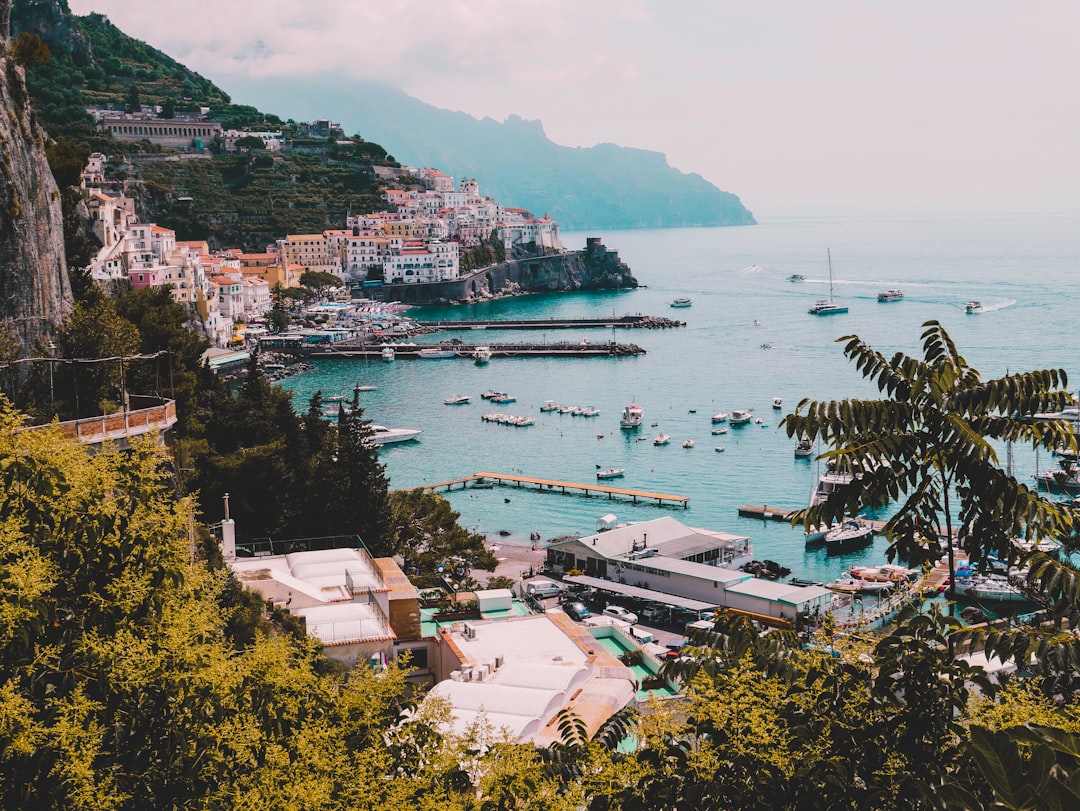
The Amalfi Coast isn’t just a destination; it’s a sensory explosion. Imagine sheer cliffs plunging into an impossibly blue Tyrrhenian Sea, pastel-colored villages clinging precariously to hillsides, and the intoxicating scent of lemon groves wafting through the air. It’s a UNESCO World Heritage site for a reason – a harmonious blend of natural beauty, rich history, and vibrant Italian culture. It offers a romantic, albeit sometimes challenging, escape that rewards the prepared traveler with unparalleled vistas and unforgettable experiences. This guide is your hard-earned intel, forged from countless trips, to help you navigate this iconic coastline like a seasoned pro.

When to Plan Your Amalfi Coast Adventure (2026)
Best Seasons for the Amalfi Coast
For the quintessential Amalfi Coast experience, aim for the shoulder seasons: April to May and September to October. During these months, the weather is generally glorious – warm enough for sightseeing and al fresco dining, but not oppressively hot. The landscape is vibrant, either bursting with spring blooms or painted with autumn hues. You get the best of both worlds: pleasant temperatures and a slightly more relaxed atmosphere than the peak summer months.
Avoiding Crowds: Shoulder Season Travel
Let’s be brutally honest: the Amalfi Coast gets PACKED in July and August. Beaches are crowded, restaurants require reservations weeks in advance, and navigating the narrow, winding roads can be a nightmare. If your priority is a more serene experience and avoiding the tourist hordes, the shoulder season is your golden ticket. You’ll still encounter other travelers, but the sheer density will be significantly reduced, allowing you to appreciate the coast’s beauty more intimately. This is where planning ahead truly pays off.
Weather Expectations by Month
- April-May: Spring is in full swing. Expect average temperatures between 15-22°C (59-72°F). Days are sunny, but pack a light jacket for evenings. Sea temperature is cool but possible for the brave.
- June: The summer heat begins to build, with temperatures ranging from 20-27°C (68-81°F). It’s a popular month, so expect more crowds.
- July-August: Peak summer. Temperatures soar to 25-30°C+ (77-86°F+), sometimes higher. The sea is warm and perfect for swimming. This is the busiest and most expensive time to visit.
- September: Still warm and sunny, with average temperatures around 20-27°C (68-81°F). The sea is at its warmest. Crowds start to thin out after mid-September.
- October: Autumn brings cooler temperatures, 15-22°C (59-72°F), and a higher chance of rain, especially later in the month. However, early October can still offer beautiful, crisp days perfect for exploring.
Getting to the Amalfi Coast: Transportation Options
Flying In: Nearest Airports
The closest major international airport is Naples International Airport (NAP). From Naples, you have several options to reach the Amalfi Coast:
- Private Transfer/Taxi: The most convenient but also the most expensive option. Takes about 1.5 hours to Sorrento, longer to other coastal towns.
- Bus: From Naples Airport, take the Alibus shuttle to Naples Centrale train station. From there, take the Circumvesuviana train to Sorrento. This is the most budget-friendly option but can be crowded and uncomfortable, especially with luggage.
- Ferry: During the high season (typically April-October), ferries run from Naples Beverello port directly to Sorrento and other Amalfi Coast towns like Positano and Amalfi. This offers stunning coastal views but is weather-dependent.
Train Travel to the Coast
The main train gateway to the Amalfi Coast is Sorrento. The Circumvesuviana train line runs from Naples Centrale to Sorrento. It’s a local commuter train, so expect it to be crowded, hot, and prone to delays, especially during peak hours. It’s not a luxury experience, but it gets you to the doorstep of the coast affordably. For destinations further south on the coast, you’d typically go via train to Salerno and then take a ferry or bus.
Ferry and Boat Services
Once on the coast, ferries are an excellent way to travel between towns like Sorrento, Positano, Amalfi, and Salerno, especially during the warmer months. They offer breathtaking views, bypass the notoriously congested coastal road, and are often faster than the SITA buses. Several companies operate these routes (e.g., Travelmar, NLG). Private boat tours are also a popular (and pricier) way to see the coast from the water, allowing access to hidden coves and grottos.

Where to Stay on the Amalfi Coast: Choosing Your Base
Your choice of base town significantly impacts your experience. Each village has its own distinct personality, and understanding these nuances is key to crafting your perfect trip.
Positano: The Glamorous Choice
Synonymous with Amalfi Coast chic, Positano is instantly recognizable for its dramatic cliffside cascade of colorful houses tumbling down to the sea. It’s undeniably beautiful, romantic, and offers high-end boutiques and restaurants. However, it’s also the most expensive, the most crowded, and involves a LOT of stairs. Getting around within Positano requires significant physical exertion.
Amalfi: Historic Heart of the Coast
As its name suggests, Amalfi town is the historic and administrative center. It boasts a magnificent Duomo (Cathedral), a lively piazza, and a more central location, making it a good hub for exploring other towns. It’s less vertically challenging than Positano and offers a good mix of history, shopping, and dining. It can still get very busy, especially in the main square.
Ravello: The Serene Escape
Perched high above the coast, Ravello offers breathtaking panoramic views and a more tranquil atmosphere. Famous for its stunning gardens (Villa Rufolo and Villa Cimbrone), it’s an escape from the coastal bustle. However, it’s not directly on the sea, requiring bus or taxi rides down to the coast for beach access or ferry travel. It’s ideal for those seeking peace, culture, and incredible vistas.
Sorrento: Gateway to the Coast and Capri
While technically not *on* the Amalfi Coast, Sorrento is a popular and practical base. It’s easily accessible by train from Naples, has a wider range of accommodation and dining options at varying price points, and excellent ferry connections to Capri and the Amalfi Coast towns. It offers beautiful views over the Bay of Naples towards Mount Vesuvius. It has a more bustling, year-round feel than the smaller coastal villages.
Other Charming Villages
Don’t overlook smaller gems like Praiano (quieter, between Positano and Amalfi), Minori and Maiori (flatter, with more traditional beaches), and Cetara (a working fishing village famed for anchovies). These offer a more authentic, less crowded experience but may have fewer amenities and less frequent transport connections.
Crafting Your Amalfi Coast Itinerary (2026)
The ideal itinerary length depends on your pace and interests. Here are a few templates to get you started:
A 3-Day Amalfi Coast Highlights Itinerary
Day 1: Arrival & Sorrento/Positano Charm. Arrive in Naples, transfer to Sorrento. Explore Sorrento’s historic center and enjoy sunset views. Or, transfer directly to Positano (if budget allows) and soak in its iconic beauty.
Day 2: Amalfi & Ravello. Take a ferry or bus to Amalfi. Explore the Duomo and town. Afterwards, take a bus up to Ravello for breathtaking views from Villa Cimbrone or Villa Rufolo.
Day 3: Capri or Coastal Cruise. Day trip to the island of Capri via ferry from Sorrento or Positano. Alternatively, take a scenic boat tour along the coast, perhaps visiting the Emerald Grotto.
A 5-Day Immersive Amalfi Coast Experience
Day 1: Arrival & Sorrento. Arrive Naples, transfer to Sorrento. Explore town, enjoy dinner.
Day 2: Pompeii & Vesuvius. Day trip via Circumvesuviana train to Pompeii. Optional afternoon trip up Mount Vesuvius.
Day 3: Positano & Path of the Gods (Section). Ferry to Positano. Explore the town. Consider hiking a section of the Path of the Gods starting from Bomerano (accessible via bus from Amalfi) and ending with stunning views towards Positano.
Day 4: Amalfi & Ravello. Ferry to Amalfi. Explore the town and its history. Bus up to Ravello for gardens and views.
Day 5: Capri Exploration. Full day trip to Capri. Visit the Blue Grotto (weather permitting), Anacapri, and the Gardens of Augustus.
A 7-Day Amalfi Coast Exploration
This allows for a more relaxed pace and deeper exploration. Use the 5-day itinerary as a base and add:
Day 1-2: Arrive Naples, transfer to Sorrento. Explore Pompeii/Herculaneum and/or Mt. Vesuvius.
Day 3-4: Travel to Positano or Praiano (consider staying a couple of nights here for a different vibe). Explore Positano, hike a significant portion of the Path of the Gods.
Day 5-6: Move base to Amalfi or Atrani. Explore Amalfi town, take a day trip to Ravello. Consider a cooking class or a visit to a local limoncello producer.
Day 7: Day trip to Capri or Ischia, or a final leisurely exploration of a smaller village before departing from Naples.

Must-Do Activities and Attractions
Exploring the Picturesque Towns
Wander through the narrow, winding streets of Positano, Amalfi, Atrani, Praiano, and others. Get lost, discover hidden alleys, browse artisan shops selling ceramics and linen clothing, and soak in the unique atmosphere of each village. Don’t just stick to the main thoroughfares; the real magic is often found off the beaten path.
Scenic Drives and Coastal Views
The Amalfi Drive (SS163) is one of the world’s most spectacular coastal roads. Renting a car offers freedom but is NOT recommended for the faint of heart due to narrowness, hairpin turns, aggressive local drivers, and scarce parking. The SITA bus is a more practical (and affordable) way to experience the views, albeit crowded. Hop-on, hop-off options can be useful.
Boat Tours and Coastal Exploration
Seeing the coast from the water is a must. Day trips by boat offer a different perspective, allowing you to appreciate the dramatic cliffs and discover hidden coves inaccessible by land. Options range from group tours to private charters. Visiting the Grotta dello Smeraldo (Emerald Grotto) is a popular excursion.
Hiking the Path of the Gods (Sentiero degli Dei)
This world-renowned hiking trail offers unparalleled views over the coastline. The most popular section runs from Bomerano (near Agerola) to Nocelle (above Positano). It’s a moderate hike, typically taking 3-4 hours. You’ll need to arrange transport to Bomerano (usually via bus from Amalfi) and then figure out how to get down from Nocelle (stairs or local bus). Wear proper hiking shoes!
Visiting Nearby Islands: Capri and Ischia
Capri: Famous for the Blue Grotto, dramatic Faraglioni rock formations, chic boutiques, and stunning gardens. It’s easily accessible by ferry from Sorrento, Positano, and Amalfi. It’s very popular and can be expensive.
Ischia: A larger, less glamorous, but more authentic island known for its thermal spas, volcanic landscapes, and Aragonese Castle. It’s a great alternative if you seek relaxation and natural beauty away from the Positano crowds.
Culinary Delights: What to Eat and Drink
Local Specialties and Must-Try Dishes
The Amalfi Coast’s cuisine is rooted in fresh, local ingredients. Don’t miss:
- Scialatielli ai Frutti di Mare: Fresh, thick pasta with mixed seafood.
- Spaghetti alle Vongole: Spaghetti with fresh clams.
- Pesce all’Acqua Pazza: Fish poached in “crazy water” (light tomato, garlic, herb broth).
- Delizia al Limone: A heavenly lemon sponge cake soaked in limoncello syrup.
- Fresh Mozzarella di Bufala: From the nearby plains of Campania.
- Anchovies from Cetara: Salty, flavorful anchovies, often served simply or incorporated into pasta dishes.
Best Restaurants and Trattorias
Dining options range from simple, family-run trattorias serving authentic home-style cooking to Michelin-starred establishments. Look for restaurants slightly off the main tourist drags for better value and quality. Ask locals for recommendations – they often know the best hidden gems.
Limoncello and Local Wines
The Amalfi Coast is famous for its lemons, used to make the potent, sweet liqueur Limoncello. Enjoy it chilled after dinner. The region also produces excellent white wines, particularly from the Furore and Tramonti areas. Look for local varieties like Biancolella and Falanghina.

Practical Tips for Your Amalfi Coast Trip
Packing Essentials for the Amalfi Coast
Focus on light, breathable fabrics. Comfortable walking shoes are non-negotiable due to steep inclines and stairs. Pack swimwear, a sun hat, sunglasses, and high-SPF sunscreen. Evenings can be cooler, so a light sweater or jacket is advisable. Dress code for churches is modest (shoulders and knees covered).
Navigating the Coast: Local Transport
The SITA bus system connects the main towns. Buy tickets in advance from Tabacchi shops or bars (not usually on the bus). Be prepared for crowded buses, especially in summer, and potential delays. Ferries are a more scenic and often more comfortable option for traveling between coastal towns and to Capri. Taxis are expensive; agree on the fare beforehand.
Budgeting for Your Trip
The Amalfi Coast is generally an expensive destination, especially Positano and Capri. Accommodation, dining, and transport costs can add up quickly. Budget accordingly, especially if traveling in peak season. Shoulder seasons offer better value. Self-catering or utilizing trattorias and pizzerias can help manage food costs.
Essential Italian Phrases
While English is spoken in tourist areas, knowing a few basic Italian phrases will be appreciated:
- Buongiorno (Good morning)
- Buonasera (Good evening)
- Grazie (Thank you)
- Prego (You’re welcome)
- Per favore (Please)
- Quanto costa? (How much does it cost?)
- Dov’è il bagno? (Where is the bathroom?)
- Il conto, per favore. (The bill, please.)
- Parla inglese? (Do you speak English?)
Frequently Asked Questions About Planning an Amalfi Coast Trip in 2026
Q1: Is the Amalfi Coast suitable for families with young children?
A: It can be challenging due to the stairs and steep terrain in towns like Positano. Sorrento or Maiori/Minori might be more manageable options. Consider stroller accessibility carefully.
Q2: Can I drive the Amalfi Coast myself?
A: As mentioned, it’s extremely challenging and generally not recommended for inexperienced drivers or those easily stressed by traffic. Parking is also a major issue.
Q3: How much should I budget per day?
A: This varies wildly. A budget traveler might manage €100-150/day (excluding accommodation), while a mid-range traveler could spend €200-300+, and luxury travelers much more. Factor in accommodation, food, transport, and activities.
Q4: Do I need to book everything in advance?
A: If traveling between May and September, yes, especially for accommodation and popular tours/restaurants. For the shoulder seasons, booking key accommodations and perhaps one or two must-do tours is wise, but you might have more flexibility for spontaneous dining.
Final Thoughts for Your Dream Amalfi Coast Vacation
The Amalfi Coast is a destination that truly lives up to its hype, but it demands preparation. By understanding the best times to visit, navigating transport wisely, choosing your base strategically, and embracing the local culture and cuisine, you can craft an unforgettable Italian adventure. It’s a place that rewards effort with breathtaking beauty and moments you’ll cherish forever. Pack smart, plan thoroughly, and get ready to fall in love with “La Costa d’Amalfi.” Buon viaggio!